Wednesday, May 24, 2023

The Potential Risk of a Popular Sweetener, Transitioning to Plant-based Lifestyle, and The Best Foods for Our Immune Systems


Holistic Habits by Cheryl A. Mothes, Ph.D. Natural Health Nutrition Counselor

Content is a daily radio script from my KHIS radio spot - tune in at 6:15 (CST) every morning to Justin and Meredith’s morning show on 89.9 FM.

 Erythritol (E-rith-ra-toll), a sugar alcohol naturally found in small quantities in certain fruits and vegetables, is produced commercially now for use as a sweetener. It has been reported to be “totally safe,” with almost no calories. It is also easier to digest than any of the other sugar alcohols. Unfortunately, a new study suggests erythritol may be harmful from a cardiovascular standpoint, causing blood clots that lead to heart attacks and strokes. Until we know more, it makes sense to avoid it. Stevia is a great sugar substitute, but it often has erythritol added. Always check labels and look for pure stevia, even if you need to order it online, to live longer and live stronger! 

It is Transition Tuesday again and it is always good to have a PLAN. Determine the start date that you are going to transition to eating healthier and map out the coming four months – or the coming four weeks if you are an overachiever! Get an old-fashioned calendar or go to print-a-calendar.com so it is visual as you cross the days off - this journey is easy for some, harder for others, and having it on your counter every day will help. Then find a friend who has been on the journey already or is willing to do it with you. Support is key, especially from your family. Another transition tip for you is to swap out any potato chips or cheese curls for Sun Chips or Tostitos organic blue corn tortilla chips. Both are 100% grain and lower in sodium and sugar, plus they are not fried! Have a terrific transition Tuesday! 

News headlines are forever proclaiming the next superfood or supplement to give us super-immunity. But what we do not hear often enough is that immunity is powered by the gut. 70 percent of our immune cells reside there! Those cells are in close contact with our gut microbiome, the 8 pounds or so of amazing bacteria that convert our food into power. The immune cells and our microbiome are constantly communicating to build our immune systems if we just put the right things inside us! We have one life, and one body and we can take the BEST care of it through what we consume. Tomorrow we will list the best foods to nourish your body's immune systems - no surprise it means more plantification on your plates! Have a wonderful Wednesday everyone! 

Yesterday we shared that 70% of our immune cells are in our gut - wow! Certain foods provide the best nutrients to boost our immune systems, those vitamins, minerals, fiber, and more. Here are the top ones:  walnuts, garlic, sun-exposed mushrooms, firm tofu, carrots, oranges, wheat berries, chia seeds, turmeric, and broccoli. Putting your mushrooms in the sun for an hour supercharges their vitamin D. Add all these immune-boosting foods and improve your health on the shelf. 

It is Fix-it Friday and let us have some Nachos Verdes! Baking corn tortillas cut in wedges makes them healthy "chips", topped with a vegetable medley of lima beans, corn, finely chopped onion, minced garlic, cumin, Mexican oregano, green salsa verde, sliced green onions, chopped cilantro, shredded romaine, and chopped avocado makes for an amazing treat! Make tofu and spinach no-cream sour cream and it is a party in your mouth! Find the entire recipe in the Forks over Knives 100 Best Plant-based Recipes! 

It is Fix-it Friday and let us have some Nachos Verdes!

 Ingredients: 

12 oil-free corn tortillas cut into bite-sized triangles.

1/12 cup frozen lima beans, thawed.

1/12 cup frozen corn, thawed.

1 cup finely chopped onion.

2 cloves garlic, minced.

1/2 tsp ground cumin

1/2 tsp Mexican oregano

1 recipe of Green Sour Cream

1 cup salsa verde

1/2 cup thinly sliced scallions or green onions.

2 cups shredded romaine lettuce.

1 avocado halved and chopped.

 Directions:

Preheat oven to 350 degrees and line two baking sheets with parchment paper. Spread the tortilla triangles on the sheets and bake for 20 minutes or until crisp. Let them cool on the sheets and leave the oven on. In a large skillet, combine 1/2 cup water and the next six ingredients (from lima beans to oregano), cover, and cook for 10 minutes. Arrange half of the chips on a baking pan, top with half of the bean mixture then spoon 1/2 each of the Green Sour Cream and salsa verde over the top. Sprinkle with half each of the scallions and cilantro. Repeat with a second layer of chips, beans, sour cream, salsa verde, scallions, and cilantro. Bake 20 minutes until heated through, top with remaining salsa and sour cream, romaine, and avocado. For the Green Sour Cream, in a blender combine one 12-ounce package of extra-firm tofu, 1/4 cup fresh spinach, 2 T lemon juice, 1 T white wine vinegar, and 1/2 tsp sea salt. Cover and blend until smooth. It is truly a party in your mouth and totally plantified! Find this and so much more in the Forks over Knives 100 Best Plant-Based Recipes!


Wednesday, May 17, 2023

The Issues with Eggs - Foods to Avoid and Add to Beat Cancer


Holistic Habits by Cheryl A. Mothes, Ph.D. Natural Health Nutrition Counselor

Content is a daily radio script from my KHIS radio spot - tune in at 6:15 (CST) every morning to Justin and Meredith’s morning show on 89.9 FM.


Eggs cannot be a part of a healthy diet, as they show higher coronary artery calcium scores. Many studies have shown that half of an egg consumed per day is significantly associated with a higher risk of developing cardiovascular disease and dying from all causes put together, meaning a significantly shorter lifespan. Those who eat eggs, in general, are less active and eat more meat - so is that the problem, not the eggs? Studies of those who eat an otherwise healthy diet also significantly increased the risk of death by eating just half an egg a day. Swap out eggs and look for them hidden in processed foods - best to avoid those altogether though. You can live longer and better with plant-based whole foods! 

It is Transition Tuesday again and we can ALL make healthier choices, which matter so much to how we feel and function! Go to NutritionFacts.org "Resources" tab and select "Guides and Handouts" then scroll down to "Dr. Greger's Daily Dozen" – or here it is! Dr. Greger's Daily Dozen Checklist (nutritionfacts.org). Keep the list in front of you every day, and there is a great app also. The list will encourage you to learn to love beans! Add sugar snap peas, peas, every color of beans, and lentils to dishes and salads, put hummus in your wraps, and add them to your smoothies to make them smooth! And a transition tip for you this week is to swap out any potato chips or cheese curls for Sun Chips or Tostitos organic blue corn tortilla chips. Both are 100% grain and lower in sodium, plus they are not fried! 

Did you know that most cholesterol studies are bought and paid for by the egg industry? Interesting. The "Dietary Guidelines" recommended by the Institution of Medicine are that individuals should eat as little dietary cholesterol as possible. They reiterated that when it comes to dietary cholesterol, found in all meat, dairy, and eggs, intake should be as low as possible, because any intake level above zero increases LDL cholesterol concentration in the blood, and therefore carries an increased risk of coronary heart disease, our #1 killer. Do not believe the false advertising that eggs are healthy. 

We know there appears to be a significant protective effect of a vegetarian diet for heart disease and all cancers combined, particularly for those eating vegan, but what about breast cancer and prostate cancer specifically? Studies have shown that more plant-based eating is associated with a significant reduction in breast cancer risk, and when it comes to prostate cancer, plant-based foods are associated with either decreased or neutral risk, and animal foods are associated with either an increased or neutral risk. We shouldn’t only look at foods to avoid, like meat, eggs, and dairy products; we should also look at foods to embrace, such as vegetables, especially greens, and pulses, like beans, lentils, and chickpeas—foods that Dr. Greger includes in his Daily Dozen to encourage people to add to their meals each day. 

It is Fix-it Friday and Indian food is SO good but many times heavy in oil. Here is a wonderful Chickpea Masala from our friends at the "Be a Plant-based Warrior Woman."

 Ingredients:

 1 medium chopped onion

¼ tsp mustard seeds

3 large tomatoes

1 small green finger pepper, seeded.

1 T minced fresh ginger.

2 cloves garlic

2 T chana masala powder

½ tsp cumin

½ tsp coriander

2 C drained, rinsed chickpeas

2 C cooked brown basmati rice

¼ c chopped cilantro

2 chopped chives

2 T chopped red onion.

 Directions:

In a large nonstick pan over medium-high heat, cook the onion until soft. Add water as needed. Add the mustard seeds. While they cook, blend the tomatoes, finger pepper, ginger, and garlic in a food processor or blender. Add the tomato mixture to the onions and cook for 8 minutes. Add the chana masala powder, cumin, and coriander and stir as it cooks down. Cook for another 8 minutes and it will become thicker and darker. Stir in the chickpeas, reduce the heat to low, and cook for 8 more minutes. Serve over the brown rice and top with cilantro, chives, and red onion. 

And a blast from the past!

 The number of Americans who report being "significantly stressed" is at its all-time high... grief and loss related to the pandemic, Russia's invasion of Ukraine, and inflation are the top reasons. It is manifesting itself in anxiety, depression, and anger, according to a recent study. We know that stress affects us at the cellular level, leading to digestive issues, heart problems, sleep disorders, and the emotional problems mentioned earlier. And it is not just the stress that is unhealthy, it is many times how we respond to it, by overeating, over-drinking, over-working, over-spending...all of which lead to more health conditions and diseases. Nutrition is important in two ways: first, we do not absorb nutrients well when we are stressed so our immune systems are lowered. Second, the good news is that nutrition can help us cope with stress. Stay tuned to learn more all week and have a marvelous meatless Monday everyone! 

We mentioned yesterday that stress is at an all-time high for us...and it is dangerous. Stress is referred to as the silent killer, so we must take it seriously. One physician reported that 85% of his patient visits are stress-related causes. What can we do? We will cover 12 tips to help and the first one is to identify the causes. Yes, we are stressed, and we do not stop to understand why. Keep a daily stress journal to see what triggers it most, and when. Over time you will see patterns and ways to manage them. Second, we must say "NO" when we are overbooked. Our schedules are too full, and saying "no" is hard, but empowering and good for your health! Third, eat and drink your water. Yes, hydration helps us deal with stress better, and food, fruits, and vegetables namely, is where a lot of it should come from. Power up your plantified plate for hydration and stress relief and have a terrific Tuesday everyone! 

We are sharing more today about stress management since a recent study showed we are more stressed than ever, and we know the effects can be deadly. Here are 3 more tips:  Eat well - yes, in addition to eating hydrating foods mentioned yesterday, diets that are high in fiber and low in saturated fat can benefit our mental health. B Vitamins are key, and found in fruits, greens, beans, and whole grains. Second, go outside and get 15 minutes of outdoor time everyday and sunshine if possible. Vitamin D decreases emotional distress, along with other great benefits. Lastly, get together with friends to laugh, lend support, have fun, and yes, complain! Pity parties and negativity are not good, but sometimes the best stress relief comes from sharing concerns with trusted friends. Have a wonderful Wednesday and stay tuned for more! 

All week we are talking about stress being a leading cause of inflammation with direct links to major health issues AND we are at an all-time high when it comes to stress. Here are some additional tips to reduce it. Take 10 minutes each day to pray, meditate, or "downshift" in any way possible. Also, gardening - whether it is flowers, fruits or vegetables gives us movement AND stress relief, and yard work can do the same. Lastly, and you will love this one, take a NAP. Naps can lower the risk of heart disease and give your whole body a much-needed break. More to come tomorrow on how to live longer, and stronger by lowering stress! 

This is our last segment on stress management and reduction because it is so high right now and wrecks our health. 3 more tips are first, make it a point to laugh hard daily and not take life too seriously. Just pause and reset your seriousness meter several times a day - flip the page, get past it, and move on. Also, call your grandparents, parents, siblings, children, and grandchildren. Strong family ties keep us healthier and take our focus off what is stressing us. Similarly, our last tip is to make friends with those older and younger than yourself. It keeps us engaged outwardly, not focusing so much on what is happening inwardly, and we learn more from different generations. Have a fantastic Friday and enjoy your wealth of health by reducing and coping better with stress! 


Sunday, May 7, 2023

Kicking off "Transition Tuesday" and the Benefits of Quinoa!


Holistic Habits by Cheryl A. Mothes, Ph.D. Natural Health Nutrition Counselor

Content is a daily radio script from my KHIS radio spot - tune in at 6:15 (CST) every morning to Justin and Meredith’s morning show on 89.9 FM.

 Approximately 90 percent of the world’s calories are produced by less than one percent of the thousands of edible plants. The big three are wheat, corn, and rice but this may be unsustainable, given the ongoing climate crisis AND it is not the healthiest due to our need for diverse foods to function our best. Crops like quinoa might do better with drought and heat and are nutrient-dense. Quinoa has only been popular recently, but humans have been eating quinoa for more than 7,000 years! Boost your intake of grains and seeds by adding them to soups, tossing them in salads, or serving them as a rice alternative on this Meatless Monday! 


It is TRANSITION TUESDAY, and we will start featuring ways to move to a healthier lifestyle, every Tuesday! Here are some tips to get started. Put your "Why" on a note where you will see it every day, such as your bathroom mirror or computer screen. Why do you want to feel better, function best, reduce pain, have more clarity, improve mental health, live longer, and contribute more? Then search the internet for whole food plant-based recipes. Great resources are "Forks Over Knives", "The Simple Veganista" and "Nutritionfacts.org". Let us face it, most of us fix five or six things over and over again - so sometimes a cookbook with 200 recipes is overwhelming. Look for five or six recipes you know you will love and start with those, then build more. This week, the transition from buying cows' milk to buying almond milk or cashew milk – higher in calcium, no saturated fat, and a great way to live longer and live stronger! 

Monday, we mentioned quinoa is a better crop for drought and heat, helping us save water in production. And though it is not a "superfood", it is a GREAT food. In one study, a cup a day for 12 weeks led to a 36 percent drop in triglycerides - about the same as taking meds! Red and black quinoa has almost twice the antioxidant power of white. Like so many foods, the more color, the better! Find it in nearly every store and Google, '30 Best Quinoa Recipes" for fabulous dishes that will be a party in your mouth! 

The results of 50 randomized controlled trials show nearly all point to higher blood cholesterol with greater egg intake. And that is just looking at fasting cholesterol taken in the morning, not the higher "after-meal" states. Eating more dietary cholesterol ramps up your levels of cholesterol for hours after a meal, then we eat again! The big deal about cholesterol is heart disease is the #1 reason you will lose your spouses, parents, siblings, friends, and children. Check out egg alternatives for baking and breakfast, and check labels for egg products to improve your health on the shelf! 

It is Fix-it Friday and how about a delicious "Forbidden Bowl" from our friends at the "Be a Plant-based Warrior Woman?" 

Ingredients:

Teriyaki Tofu cubes

1-2 cups of forbidden rice (black rice)

4 -6 cups greens (napa cabbage, Bok choy, fresh spring greens)

1 large, sweet potato cooked and cubed.

1 ½ c edamame

½ c grated carrot

1 cubed mango

¼ purple cabbage, sliced

3 chopped green onions.

1 cubed avocado

Sesame Ginger Sauce or Lightning Dressing

Broccoli sprouts

 Directions:

Prepare the tofu cubes and sauce or dressing (also in their cookbook) and cook the rice according to directions. Place the greens in a serving bowl next to the rice and have separate bowls for all the other ingredients. Each person builds their own wonderful bowl and finishes with sauce or dressing. FUN and loaded with nutrients!

FROM THE ARCHIVES 

In the U.S. it is interesting to note that foods that are referred to as “junk” are sometimes the most consumed – candy, ice cream, chips, and more. The term “junk food” has been replaced in research by the term “ultra-processed.”  In many ways, it is not really food – it is industrial formulations that have long lists of ingredients which, other than salt, sugar, and oil, are not usually even found in a cookbook, because they are mostly "additives.”  There has been a dramatic rise in ultra-processed foods – in fact, they dominate our food supply – 71%. This is a big problem because they are high in calories and toxins, and low in nutrition. Up to 70% of what our children and teens eat during their day fits in this category! On this terrific Tuesday, help your children live longer and stronger by replacing junk food with the real deal.

 Yesterday we started the conversation on junk food – also known as ultra-processed food. As these food-like substances have increased, so has binge eating, which is now the most common eating disorder. These foods are engineered so you cannot have just one – people never binge on broccoli 😊. But ultra-processed foods are associated with bad health outcomes – not just obesity, but cancer, diabetes, heart disease, depression, and more. Populations with low meat consumption, high fiber, and minimally processed food intake have far less chronic disease and lower obesity rates – they live longer and disease-free. Studies have shown that on an ultra-processed diet, subjects ate about 500 more calories a day. So, look at your health on the shelf and literally, think outside the box… wrapper…or any packaging - and load up with real foods.  Have a wonderful Wednesday everyone.! 

You may have heard of a macrobiotic diet, which emphasizes whole grains, vegetables, and beans while minimizing meat, eggs, and dairy. For reasons only they know, they restrict fruit and encourage salt, which research shows is not healthful. Some of the most anti-inflammatory foods are herbs and spices, which we would recommend rather than the sea salt and soy sauce they use. Macrobiotic diets were studied, with only 3 weeks of being on strictly plant-based diets of whole grains, vegetables, and beans, and incredibly the subjects reduced their blood pressure by 10%, their bad LDL cholesterol by a whopping 35%, and fasting blood sugars by 38% - in just 21 days! And yes, they lost weight, but so much more. Plantify your plates and see what happens! 

Intermittent fasting has gotten a lot of attention in the past few years – in fact, it was the most popular dietary strategy among Americans in 2021. The advantages of IF include stabilization of blood sugar levels, reducing blood pressure, lower cholesterol and other heart-related factors and there’s evidence it can reduce cancer risk. But what is IF? The 16/8 method is the most popular, which means you fast for 16 hours (no food but water and tea) and eat within an 8-hour period. For example, breakfast at 8 a.m. and the last meal finished at 4 pm – no food in between. Try it and have a fantastic Friday everybody!


Monday, May 1, 2023

The Healthiest Foods Are Also The Best for Our Planet & and Buddha Bowls!


Holistic Habits by Cheryl A. Mothes, Ph.D. Natural Health Nutrition Counselor

Content is a daily radio script from my KHIS radio spot - tune in at 6:15 (CST) every morning to Justin and Meredith’s morning show on 89.9 FM.

 In November 2019, more than 11,000 scientists from 150 countries clearly and unequivocally declared “that planet Earth is facing a climate emergency.” One of the solutions they offer to help the climate crisis is “eating mostly plant-based foods while reducing the global consumption of animal products.” The same advice, to eat less meat, is good for reducing the risk of our number #1 killer heart disease, as well as for our planet. Think of it this way:  The least healthy foods cause the worst environmental impact whereas the foods with the most nutrition cause the lowest greenhouse gas emissions. It is a win/win on this Meatless Monday!

Yesterday we mentioned the most powerful thing we can do to reduce global warming, which is eating less meat and more plants.  We are in both a climate crisis and a health crisis. Unhealthy diets cause more death and disease than smoking, alcohol, drug, and tobacco use combined. How exciting that we can address both of these crises at the same time by plantifying our plates!  It could save the lives of more than 10 million people a year and help prevent the catastrophic impacts of global warming.  We can do this together AND live longer and live stronger!  Have a great Tuesday everyone! 

The healthcare benefits of a healthy global diet—a predominantly plant-based diet, a vegetarian, or a vegan diet—could save up to $30 trillion dollars a year!  Livestock production is the single largest driver of habitat loss and is a leading cause of soil loss and water and nutrient pollution. At least 80 percent of the deforestation in the Amazon is to raising cattle and grow feed crops like soybeans to export to other farm animals AND to make vegetable oil.  Most of the vegetable oil is from palm and soy used in highly processed junk foods.  It's sad this is happening, but wonderful that we can change it by simply eating plant-based whole foods, the way God made them for us.  Have a wonderful Wednesday everyone! 

We have talked all week about the power of the plate, to save our own lives and the planet, and it may seem like a dream.  But in Finland, the whole country cut down on butter - like by 75 percent!  And guess what happened?  An 80 percent drop in heart disease death due to their drop in cholesterol levels, largely driven by the countrywide dietary changes to lower saturated fat intake from butter.  Researchers have found time and time again that the more you decrease saturated fat content, the more your cholesterol drops, and the greater your health.  Don't let articles about butter being healthy fool you - live longer and live stronger by avoiding it.

It's Fix-it Friday and time for a Buddha Bowl!  They were the first bowls and the concept has exploded!  Called Buddha bowls because they are about balancing the different types of food you eat.  And that, they do! 

Ingredients: 

Firm tofu

Tamari (a very dark soy sauce, or soy sauce)

1-2 cups of brown rice

4-6 cups of spring greens

1 large, sweet potato cooked and cubed.

15 ounces canned chickpeas drained and rinsed.

2 cups cooked kale.

½ cup grated or sliced carrot

3 green onions finely chopped.

1 avocado, cubed.

Sauce of your choice, such as Lemon Tahini Sauce

Broccoli sprouts 

Directions: 

Line a baking sheet with parchment paper and set the oven to 400 degrees. Cut the tofu into cubes and toss in the tamari or soy sauce and allow to sit for 30 minutes.  Spread onto the sheet and bake 20 minutes until browned to your liking.  Cook the brown rice per the instructions. Allow each person to build their own bowl starting with the greens, adding brown rice and other toppings and the finishing touch of sauce and sprouts.  To find recipes for great sauces like Lemon Tahini Sauce and so much more, check out "Be a Plant-based Warrior Woman Cookbook"! 

A blast from the PAST! 

It is Meatless Monday and one of the criticisms of eating less meat is that “eating healthy is expensive.”  It may surprise you that some of the poorest countries eat a lot healthier than we do – because of the super healthy attributes of a few foods in their diets.  There are several ways to save money, eat healthier and purchase wholesome, delicious, nutritious foods on a budget – costing less than meat.  The first, of course, is to avoid eating out.  It’s costly and difficult to find healthy choices, with much-added sugar, salt, and oil.  Second, buy frozen whole-food veggies (except stay away from those white potatoes), and what we mean by whole-food is nothing has been added or taken away.  Beans are SUPERFOOD and SUPER CHEAP, as are whole grains and wonderful oats. Leafy greens are a staple for good health and should be eaten every day and aren’t expensive,  and nuts and nut butter can be cheaper than meat and packed with protein.  Also, save money by buying in bulk and freezing foods.  Watch for fruits on sale and chop them to freeze for smoothies.  Go to meatlessmonday.org to learn more! 

Not only can eating less meat be healthier for us, it doesn’t have to be expensive, but sometimes it’s hard to know how to begin.  There are several great cookbooks, like the How Not to Die cookbook that is all whole-food based, meatlessmonday.org, or nutritionfacts.org also have great recipes.  Before you buy a cookbook, see if your local library has some you can peruse. One of the keys to success is finding two, three, four, then five good “go-to” recipes that work for you and your family.  Instant Pots are great for transitioning to more beans and whole grains in our diets, and adding spices just dials up the nutritional value to boost our immune systems.  You can live longer and live stronger with these tips and have a terrific Tuesday everyone! 

As we grow older, we are prone to more serious illnesses, and eating right, exercising, and getting enough sleep are all important to prevent them.  A large new study suggests that the qualities of optimism, happiness, social support, and purpose in life are very important as well.  It turns out that how people feel about their lives is important to their health – those feelings have tangible, significant effects on how long we live.  Those with significantly higher than average satisfaction, positive feelings, purpose in life, OR optimism at age 50 lived an additional 5 to 8 years!  Having these feelings may lead to us taking better care of ourselves by being physically active, sleeping better, and engaging more in preventative healthcare.  It would also be the reason that it helps us cope better with stress.  The one aspect of well-being that was MOST protective was having a purpose in life.  On this wonderful Wednesday, have a check in on these four important keys to living longer! 

Ever feel like your brain is just foggy? If you’re having trouble staying focused, making decisions or remembering things, here are some ways to clear up that fog.  First, become more intentional about consuming news – repeated exposure to negative TV, newsfeeds, or social media “doomsday” topics wreaks havoc on our well-being so we need to break away from technology.  Second, exercise regularly and it should be outside if possible.  It truly clears our heads! Third, very importantly, stay connected to others. Socialization keeps our brains working better. Fourth, try new challenges – even walking a new route, or learning a new skill.  Lastly, be kind to yourself. Self-compassion includes not beating yourself up about forgetting things or being foggy-headed.  Enjoy a wealth of health everyone by trying these five tips! 

We’ve never discussed this before, but this ancient food has long been esteemed for its nutritional and medicinal properties, and new research has found it can improve our bone strength.  We’re talking about (wait for it….) PRUNES! Yes, study after study shows that eating a few prunes every day can help or delay bone loss, and lower the risk of fractures.  Plums are impressively high in nutrients with 15 different vitamins plus minerals and they are rich in antioxidants.  They are also loaded with fiber, nature's perfect prebiotic to get our gut microbiomes ready to fully absorb nutrients.  In addition to boosting bone health, they can help regulate blood sugar and benefit our heart health.  Add some health to your shelf by purchasing some dried plums today (just sounds better than prunes 😊 ) and have a fantastic Friday everybody! 

Sources:  NutritionFacts.org and "Be a Plant-based Warrior Woman Cookbook by Jane Esselstyn and Ann Crile Esselstyn

Monday, April 24, 2023

Midlife Cholesterol Increases Dementia - Danger of High Fat & Low Carb Diets


Holistic Habits by Cheryl A. Mothes, Ph.D. Natural Health Nutrition Counselor

Content is a daily radio script from my KHIS radio spot - tune in at 6:15 (CST) every morning to Justin and Meredith’s morning show on 89.9 FM.

 Having high cholesterol in your early 40s is associated with an increased risk of Alzheimer’s and dementia decades later. And your cholesterol doesn’t have to be THAT high – if yours is over 240, you have a 57 percent higher risk of developing Alzheimer’s compared to if it is under 200. It’s that the clogging of the arteries inside of the brain - the same thing that causes heart attacks and strokes, is choking off blood flow to the memory centers in the brain.  On this Meatless Monday, reduce saturated fat intake to help ALL your blood vessels!

  Yesterday we mentioned the increased risk of dementia in your later years if you have high cholesterol in your 40s – like way higher and recommended reducing your saturated fat intake to slow brain aging and improve blood flow to all your vessels.  How can we cut down on saturated fat?  By cutting down on things like cheese, cake, ice cream, chicken, pork, and beef.  Plantify your plates with whole foods like delicious bean dishes, and sweet potatoes, so MUCH is out there that heals instead of harms, and you can find great recipes at Nutritionfacts.org!

  Just five days of a high-fat, low-carb diet impairs energy metabolism in the heart, as well as cognitive function, showing such diets are detrimental to the heart and brain. It turns out that certain types of bacteria die and release “endotoxins", which are highly inflammatory.  The highest levels of them are found in meat – both red meat and white meat.  Having elevated levels of endotoxins may be detrimental to healthy aging, associated with a large range of diseases such as obesity, type 2 diabetes, heart disease, and depression.  Try cutting down or cutting out the meat and replacing it with nuts, seeds, beans, and veggies – try it for 2 weeks and see how much better you feel and function!

 Yesterday we mentioned endotoxins that are highly inflammatory – five days on a high-fat, low-carb diet, and endotoxin levels in the bloodstream roughly double. In fact, even a single meal can do it! A recent trial showed that a single meal high in saturated fat can impede attention, compared with an identical meal high in the kind of fat found more in nuts, seeds, and avocados. And this cognitive deficit was present five hours after the meal.  ALL of us – kids in school, parents, whatever we do each day – can benefit from a bump in our brain functioning by eliminating saturated animal fat.   We can live longer, and live stronger through our nutrition! 


It's Fix-it Friday and how about some Banana Protein Bites!

 INGREDIENTS

3 each banana -- dehydrated.

10 each dates -- pitted.

½ cup natural peanut butter -- or nut butter of choice

1 cup walnuts

3 tablespoons chia seeds

1 teaspoon sea salt

1 teaspoon cinnamon

1 teaspoon vanilla extract

1 tablespoon water

 INSTRUCTIONS

 1. Pulse the dates and walnuts to crumbles. Add the dehydrated bananas and pulse again. Add the nut butter, chia seeds, spices, and vanilla. Add water if needed to achieve a rolled ball consistency. Roll into 1 oz balls and refrigerate. 

A Blast from the Past!

It is hard to believe, but your body holds about 60,000 miles of blood vessels! Along with your heart, they make up our circulatory system -roadways that carry blood to every cell in our bodies. But when your circulation is poor, it slows or blocks the blood flow of the critical elements our cells need to function optimally. We do not think about it, but the cells in our eyes need oxygen and nutrients, as well as our ears, our muscles, and every other cell in our bodies. If we have poor circulation, our cells simply do not get all the oxygen and nutrients they need, which is bad in so many ways. One of the best ways to increase circulation is through nutrition - eat more plants and less meat and less salt - all of which will keep your blood pressure and cholesterol levels in check to have clearer blood vessels. It is Meatless Monday so check out meatlessmonday.org for great meatless ways to increase your blood flow! 

Yesterday we talked about those 60,000 miles of blood vessels in our bodies that deliver critical. oxygen and nutrients to each of our cells. We can all benefit from increasing our circulation and of course, a wonderful way to do that is by increasing our movement. Walking every day, 30 minutes, outside in the sunshine is the best exercise our bodies can receive. Put your hands on your waist and inhale DEEPLY, trying to push your hands out with this lateral breathing. Then exhale hard through your mouth. This gets oxygen and nutrient exchange optimized! Take breaks during the day to do the same thing. Boost your circulation starting today, to live longer and live stronger - and have a terrific Tuesday everyone!

 It is all about increased circulation this week - we already covered the importance of eating right and exercising. It is interesting to note that stretching and doing yoga, with twisting and those inversion moves like downward dog. n improve blood flow. One of the best ones is called "legs” up the wall" where you simply lay down on the floor next to a wall and elevate your legs on it for a few minutes, and take deep, lateral breaths. Smoking is the habit that is hardest on our blood vessels - the sooner you quit, the sooner your health will get better. Have a wonderful Wednesday everybody! 

More about increasing our circulation today and here is a surprising one. Drinking tea and green tea adds antioxidants that increase the width of our blood vessels, which of course helps our bodies pump blood more easily. Eating iron-rich foods also helps us carry that much-needed

oxygen to our cells and spinach and beans are the best at providing it. More omega-3 fatty acids improve our circulation, and the best source is algae - hard to get for sure, so the supplement.  Wholier is the best option. Lastly, staying hydrated - we cannot say this enough - through hydrating foods (plant-based whole foods) and water is critical for keeping our blood flowing as it should. Your health on-the-shelf tip is to buy green tea, beans, spinach, Wholier supplements, and whole foods to be your best when it comes to great circulation. 

Our last tips this week for great circulation include decreasing stress - yes, stress keeps our blood pressure up and our blood vessels constricted. It is important to downshift and find time to pray, meditate, and do yoga - whatever works best for you. Insight Timer is a wonderful free app with

various lengths of excellent meditations. Also, sitting is NOT good for our circulation and a lot of

other things. If you are sitting quite a bit each day, consider getting a standing desk or taking very

frequent breaks to get up and move around. Those populations in the Blue Zones who live longest and best move every 20 minutes. Enjoy a wealth of health and have a fantastic Friday everyone!


Sunday, April 16, 2023

Fighting Eczema, Ramping up Happiness, and Travel Snacks!


Holistic Habits by Cheryl A. Mothes, Ph.D. Natural Health Nutrition Counselor

Content is a daily radio script from my KHIS radio spot - tune in at 6:15 (CST) every morning to Justin and Meredith’s morning show on 89.9 FM. 

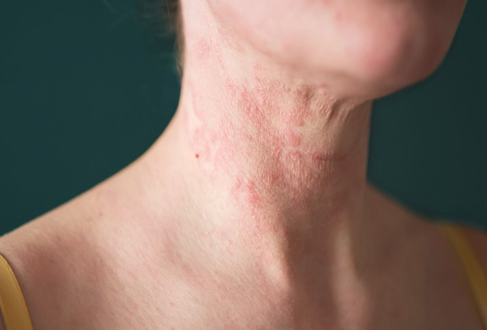
Eczema is a chronic inflammatory skin disease and it has become so common that it affects about a fifth of us. It is not just an itchy rash because it’s associated with other diseases, too. It can be exhausting, and embarrassing, but in kids, it may increase the risk for ADHD and, in adults, may increase the risk of major depression.  And it is on the rise. Good news – by avoiding eggs, milk, chicken, and beef, researchers found that 70% of the patients improved!  Eggs were found to be the most offending food.  Another reason to plantify your plates and help your kids on this Meatless Monday! 

Yesterday we mentioned the power of reducing eggs, meat, and dairy to reduce eczema conditions, which are on a rapid rise in our country and are associated with other diseases. One study particularly showed a benefit when eliminating eggs – but later found the parents had no idea that eggs were a problem since almost all egg exposure was hidden!  The egg products were in packaged foods. Check your health on the shelf to see what ingredients list eggs, and have a terrific Tuesday everyone! 

Last week we talked about amping up happiness levels to live longer and better, and here are some additional tips. Eat more fruit! Good mood foods can add fiber, folate, potassium, and vitamins A and C.  Eat grapes, apricots, berries, peaches, cranberries, pineapple, watermelon, bananas, raisins, pears, and oranges.  Also, if you slept fewer than six hours last night, you were 30 percent less happy than you could be today!. The longest-lived, happiest people sleep between seven and 8 hours per night.  Lastly, boost your mood by taking a walk, every day - it makes a big difference in your joy levels! 

ROAD TRIPS - As you become healthier and "cleaner" in your eating, it takes PREPARATION to go out of town. Sweet potatoes are one of my favorite snacks to take on the road, even for long trips.  Cook them up, leave them whole, and they will travel really well.  Unsalted nuts and seeds bagged up with some raisins are a great option as well, and whole fruits like apples and oranges travel really well.  Don't be concerned about taking all of these things on flights - they will go through the scanner just fine and never get tossed!  A final "necessity" is your water bottle. Travel season is starting up so plan ahead everyone! 

Dr. Greger, who has written so many great books like, “How Not to Die” created a great alternative to store-bought cereal - “Groatnola”.  It’s “SOS-free” - no salt, oil, or sugar, which is hard to find. 

Ingredients: 

1 cup of buckwheat (which has nothing to do with wheat - it’s a wonderful seed), cooked as directed

1 large, sweet potato, microwaved until soft.

1 tsp pumpkin pie spice

1 tsp cinnamon

12 cups rolled oats. 

Instructions: 

Combine the buckwheat and sweet potato in a large bowl and mash them together with a potato masher. Add the pumpkin pie spice, cinnamon, and rolled oats. This will make a LOT.  Spread it onto three cookie sheets and bake at 250 degrees for two and a half hours until crispy.  Then snack on it, put it in a smoothie bowl, or eat it like cereal with almond milk, add berries, nuts, and seeds – a party in your mouth! 

FROM THE ARCHIVES: 

Many times, we have discussed the link between eating plant-based foods and reducing the risk of cancer which is well-established in large studies across the world. More fruits, vegetables, beans, and whole grains can not only prevent cancer but help with cancer patient survivorship.  The foods we choose have an impact on our gene expression – very exciting!  And of course, we ALL want to avoid cancer, but it may be hard to know where to begin.  There are some “easy wins” you can start with:  swap refined grains and cereals for whole grains; trade out milk for soy, oat or almond milk; add at least one portion of green, leafy vegetables a day; use fruits for snacks instead of processed salty or sugary foods.  On this meatless Monday, try one new recipe that is plant-based and make it a marvelous, cancer-fighting Monday too! 

Did you know that we are only as old as our arteries?  What we do to preserve artery functioning as we age is super important – and we know that a poor diet and sedentary lifestyle leads to artery damage and the cardiovascular disease that ends us.  Studies show that a single (yes, just one) high-fat meal cripples artery function within hours of eating it, compared to no change in our arteries after a low-fat meal (and it’s not the carbs in the high-fat meal because the low-fat meal in the study was Frosted Flakes).  Just when your arteries start to recover a few hours later….it’s lunchtime!  If we are constantly hammering our arteries, it’s no wonder cardiovascular disease is our #1 killer.  On this terrific Tuesday, plantify your plates with naturally low-fat, high-nutrient foods that heal your arteries. 

Yesterday we mentioned that only one high-fat meal cripples artery functioning.  Studies show it does the same to our lungs – it causes a spike in inflammation of our lung tissue.  And as the fat in our blood goes up, so do our endotoxin levels - the components of bacteria that accumulate and damage our cells.  It’s recommended that we consume 25 grams of healthy fat a day (from avocados, nuts, and seeds) but we Americans consume, on average, 80 grams a day.  What are some easy wins to reduce your fat consumption?  First, start looking at labels and nutritional information from restaurants you visit.  Then swap out high-fat foods for lower-fat options, like almond milk instead of real milk, and fruits or veggies and hummus for snacks instead of things in wrappers.  Improve your health on the shelf and you’ll feel better and live longer.  Have a wonderful Wednesday everyone! 

 Many of us do not realize that maintaining proper hydration is one of the most IMPORTANT measures we can take to benefit our health. We are so much more dehydrated today than we were 30 years ago because of how we live - and the risk of everyday low-grade dehydration is high.  It causes problems for all of our cells and can lead to joint pain, stiffness, brain fog, and a host of other issues.  Eating hydrating foods and drinking water is the key – but how much?  We should “rest in the restroom” every two to three hours throughout the day, and the color of our urine should not be completely clear (we’re over-hydrating if it is) nor dark or orange in any way – it should be a pale yellow.  You can live longer, and stronger by being more hydrated! 

Yesterday we talked about how many of us have this below-the-surface problem of being dehydrated.  How can we prevent it, to help our cells function at their very best?  Start each morning with a glass of water, and another one an hour before every meal.  Throw in a green tea bag but don’t drink sodas- they actually dehydrate us.  Consume one or two smoothies every day with greens and fruit in them, and eat real foods at every meal (where nothing, especially sodium, has been added).  Real foods are naturally hydrating and loaded with great nutrients as well.   Lastly, chia seeds are incredibly hydrating so add them to your overnight oats or smoothies – they create a gel that is like a storage battery for water, as do vegetables.  Plantify your plates to increase your hydration and have a fantastic Friday everyone!


The Benefits of Walking - Carbs are SO Good for Us, - Too Much Protein in our Diet, and Children's Cereals and Soy Benefits

Holistic Habits by Cheryl A. Mothes, Ph.D. Natural Health Nutrition Counselor Content is a daily radio script from my KHIS radio spot - tu...