Holistic Habits by Cheryl A. Mothes, Ph.D. Natural Health Nutrition Counselor
Thursday, July 13, 2023
Reducing Anxiety and more Shopping List Items to Transition to Health
Tuesday, June 27, 2023
Holistic Habits by Cheryl A. Mothes, Ph.D. Natural Health Nutrition Counselor
Content is a daily radio script from my KHIS radio spot - tune in at 6:15 (CST) every morning to Justin and Meredith’s morning show on 89.9 FM.
Angiogenesis is critical to our health – it is growing and maintaining our blood vessels. We have 60,000 miles of blood vessels in each of us - our bodies are miraculous! Maintaining our blood vessels leads to optimal health but many factors can derail it - leading to either excessive or insufficient angiogenesis. And how is it best controlled? You guessed right, through what we eat and the health of our gut microbiomes! Stay tuned to hear more about the best ways to care for our blood vessels and have a magnificent Monday everyone!
Last week we started a transition shopping list for you, suggesting veggies to buy. Here is the best list for fruits and remember fresh is best but frozen is fine - unless sugar has been added. Add oranges, apples, peaches, plums, passion fruit, blueberries, strawberries, blackberries, raspberries, red grapes, cherries, passion fruit, pomegranates, and apricots - all fruits you love - to your shopping carts. Try one new fruit every week and look for organic whenever possible. Never be concerned about the grams of sugar in real fruits - the fiber that carries the sugar slows the absorption, and the nutrients in fruit are stellar. Have a terrific transition Tuesday everyone, transitioning to better health!
All week we have been talking about angiogenesis – the critical need to care for our blood vessels that supply everything our cells, organs, and bodies need to be healthy. The foods that support angiogenesis will not surprise you at all. They are:
·
Soy, Tomatoes, Broccoli,
and Kale
·
Stone fruits like
peaches, plums, nectarines, apricots, cherries, mango
·
Green tea and
chamomile tea
·
Apples and
berries
·
Tree nuts such as
walnuts, pecans, almonds, cashews, pistachios, pine nuts, and macadamia nuts
·
Seeds, including
flax seeds, sunflower seeds, sesame seeds, pumpkin seeds, and chia seeds.
· Beans, capers, onions, peppers, dark chocolate, and barley.
Plantify your plates to take care of your blood vessels!
It is
Fix-it Friday.
Vegan
Spaghetti Marinara with Lentil Meatballs
INGREDIENTS
1 cup dry brown lentils rinsed and drained.
1
8-oz. package button or cremini mushrooms trimmed and chopped.
1
onion, chopped (1 cup)
3 small cloves garlic, minced.
¼
cup whole wheat flour
3
tablespoons reduced-sodium tamari or soy sauce.
2
tablespoons of no-salt-added tomato paste.
1
tablespoon nutritional yeast
1
teaspoon dried oregano, crushed.
1
teaspoon onion powder
Sea
salt and freshly ground black pepper, to taste.
1
lb. dry whole-grain spaghetti
6
cups purchased oil-free marinara sauce.
2
Tbsp. chopped fresh basil.
INSTRUCTIONS
In
a large saucepan combine lentils and 1 cup water. Bring to boiling; reduce
heat. Cover and simmer for 15 minutes. Add mushrooms, onion, and garlic. Cover
and cook for about 15 minutes more or until lentils are tender. Uncover and
cook until any remaining liquid has evaporated. Stir in the next seven
ingredients (through salt and pepper). Cook, uncovered, over low for about 10
minutes or until liquid is absorbed and the pan is very dry, stirring occasionally.
(Watch carefully so lentils do not scorch.) Spread mixture in a shallow baking
pan; cool completely. Preheat oven to 250°F. Line a 15×10-inch baking pan with
parchment paper. Scoop out 2 Tbsp. lentil mixture, shape into a ball, and place
in prepared pan. Repeat to make about 20 lentil balls. Bake for 45 minutes or until
lightly browned and crisp. Meanwhile, cook spaghetti according to package
directions. In a saucepan heat marinara sauce. Drain spaghetti, return to pot,
and toss with 3 cups of the warm marinara sauce. To serve, top spaghetti with
lentil balls and top with the remaining sauce. Sprinkle with basil.
Reference: Eat to beat disease by Dr. William Li and Forks Over Knives Cookbook
On this meatless Monday, we are going to talk about our genetic makeup, that "legacy" that our parents and grandparents bestow upon us - many of them good, some not so good. Genes are parts of our DNA that determine certain traits. There are myths about our genetic makeup - first, many times our health is not related to our genes at ALL - it is not the DNA our parents gave us, it is how they ate, moved, socialized - their lifestyles that they passed onto us. Second, if we did indeed receive genetic challenges from them, we think we can try and overcome them through better lifestyles alone. Most of us are unaware that we can CHANGE our DNA - we can modify our own genes to counter family history and stop the legacy! Stay tuned and have a marvelous Monday!
Yesterday we talked about the myths regarding the genetic code our parents give us - that most times it is not their genes but their lifestyle habits we inherit, and that if we did get genetic problems from them, we cannot change anything about it. This is exciting news for everyone who has been burdened with concern about their family genes - we can CHANGE our DNA! It sounds incredible, but we can activate dormant GOOD genes that help prevent disease and turn off - it is called down-regulating - BAD genes that cause cancer, heart disease, and other chronic illnesses! WOW! Have a terrific Tuesday everyone and come back tomorrow to learn more!
All week we are focusing on genes - the fact that most of what we think are "genetic issues" - my mom was diabetic, my dad and grandma had cancer - are not passed onto us at all genetically, but because they were a result of lifestyle choices. If we do not own those lifestyles, we do not own those genes. But we also know from research that we can change our genes. Yes, we have the power of the plate to change our destiny, and a plant-based diet was found to cause more than 500 genes to exchange their expression in ONLY 3 months - meaning good genes ramped up and bad genes diminished. So, on this wonderful Wednesday, consider improving your wealth of health by eating more plants, and no meat.
We have talked all week about our genes - that we can change our genetic code, our DNA, and its legacy through lifestyle changes and HOW does that work? God made our bodies to be so miraculous! At the very ends of our DNA strands are what we call telomeres, and they are so important - they protect our chromosomes from being damaged. Those protective caps seem to shorten and protect us less as we age - here is the exciting part so drum roll, please. The research found that those who shifted to a plant-based diet LENGTHENED THEIR TELOMERES BY 10%! Those who continued their Standard American Diet had telomeres shortened by 3%. We can live longer and live stronger by improving our DNA with plants!
We have talked all week about fixing our genes - yes, we can! - by lengthening the protective telomeres on the end of every strand of DNA through nutrition. There is an entire field called epigenetics that studies how behaviors and our environment affects our genetic material They are finding more and more that by reducing the environmental factors that put us most at health risk - sugary and processed foods, pollutants and heavy metals, and lack of exercise and stress, we can have a positive impact on our genes. Foods that shorten our telomeres are red meat, white bread, sweetened drinks saturated fat, and alcohol. Those that lengthen them are whole grains, veggies, nuts, beans, seaweed, fruits, and coffee. So, add those to your health on the shelf and have a fantastic Friday everyone!
References: The Alzheimer’s Solution by Dr. Aesha and Dr.
Dean Sherzai and 72 Reasons to be Vegan by Gene Stone and Kathy Freston
Sunday, June 18, 2023
The Magic of our Gut Microbiome, a Shopping List for you, and Living in a State of Chronic Inflammation
Holistic Habits by Cheryl A. Mothes, Ph.D. Natural Health Nutrition Counselor
We know that all the magic happens through our gut microbiome when it comes to nutrition, and the healthier our microbiome is, the better our health. Did you know that we can begin creating a healthier gut microbiome in as little as six days?! The more fiber we eat, the more anti-inflammatory power we get -
All plants have fiber and only plants have fiber. On the other hand, meat produces elevated levels of a compound referred to as TMAO, which is linked to increased heart disease and heart failure, and it greatly affects our gut microbiome in negative ways. It is Meatless Monday and a great day to start a six-day plantification of your plates to truly improve your health!
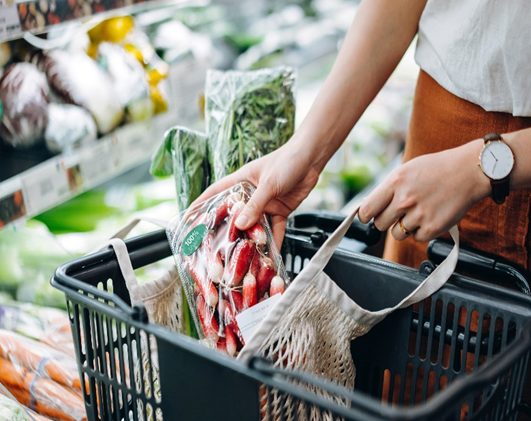
On this transition Tuesday, let us start a shopping list for you! In your shopping cart, ramp up veggies, fruits, nuts, seeds, beans, and grains and preferentially choose organic whenever possible. If it is in a wrapper, going to be fried, or has animal products or sugar added, do not add it to your cart. The best veggies are avocados, kale, spinach, arugula, cabbage, sweet potatoes, tempeh, edamame, peppers, carrots, beets, peas, sugar snap peas, broccoli, cauliflower, and brussels sprouts, but ramp up any veggies you love! and remember fresh is best, frozen is good, and canned is the least desirable. If there is added salt, make sure there are no more salt milligrams than calories on the label. And if you accidentally buy too much, chop it, freeze it, and use it in your smoothies or soup! Have fun in the produce section, and have a terrific Tuesday everyone!Inflammation is the body's response to injury – a positive thing when we suffer injury. But our standard American diet creates a continual immune response, resulting in chronic inflammation. Additionally, visceral fat – the fat that wraps our abdominal organs deep inside us, is highly inflammatory, sending alarms to our immune system telling us that our bodies are on fire! When we make changes in lifestyles, we can absolutely decrease inflammation. Removing inflammatory foods, adding anti-inflammatory foods, and reducing visceral fat can cool our immune systems down and radically improve our health.
Yesterday we talked about the chronic inflammation we suffer due to our diets, and the harmful impact on our health. The best anti-inflammatory foods are:
·
nuts -
particularly almonds and walnuts.
· flaxseeds, chia seeds, and hemp seeds are the best.
· spices -
cinnamon, turmeric, and cardamom
· veggies like
avocados, cruciferous veggies, chilis, garlic, ginger, green leafy veggies, mushrooms, olives, orange veggies, peppers, tomatoes, beets
· fruits and in
particular berries, citrus fruits, cherries, pomegranates, and red grapes
Do not forget to be a bean queen! All beans, peas, and lentils fight inflammation. Fill your cart with these foods to live longer and live stronger!
It is Fix-it Friday and today you will love No-fry Fried Rice!
NO-FRY FRIED RICE
INGREDIENTS
TERIYAKI SAUCE
1 small clove of garlic, crushed.
1 small nob ginger finely grated.
1 tablespoon low-sodium Tamari
2 tablespoons dry sweetener
½ cup water
1 tablespoon cornstarch plus 1 tablespoon water
UNFRIED RICE
1 cup frozen or fresh corn
2 carrots, diced.
3 green onions, chopped.
4 mushrooms, sliced.
1 8-ounce can chop pineapple, or fresh if available.
2 cups baby spinach
1 red chili seeded and diced.
½ cup chopped cilantro
1 small head of broccoli, diced.
2 cups uncooked brown jasmine rice
INSTRUCTIONS
Give your rice a good wash and then cook it according to package directions or in a rice cooker. Heat a tablespoon of water over medium-high heat in a nonstick frying pan or wok, until the water begins to simmer. Add the carrots, broccoli, and green onions and cook until the onions are translucent about 5 minutes. Add the mushrooms, corn, pineapple, spinach, chili, and cilantro. Mix and turn down to medium heat. Add water 1 to 2 tablespoons at a time as needed, to keep the vegetables from sticking to the pan. To prepare the sauce, place the garlic, ginger, tamari, and coconut sugar in a small saucepan. Stir and let it cook for a minute or until the sugar dissolves. Add the ½ cup water. Mix the cornstarch and water together in a small bowl. Add the cornstarch mixture to the sauce, stir well, and let it cook and thicken for a further 2 minutes. Once the rice is cooked, throw it in the pan with the cooked veggies, pour your delicious sauce on top, and mix it all through! Serve immediately.
Our Blast from the Past!
It is important to use reputable resources when looking at research studies in nutrition, medications, or other health-related topics. For example, one study’s headline was that patients who ate a cheese diet, meat diet, and low-fat diet ended up with the same cholesterol levels. How can that be? It is important to find out who sponsors studies: this one was paid for by the dairy industry. To make sure the subjects ended up with the same cholesterol level, they added lots of coconut oil and COOKIES to the "low-fat" diet! The same was done to compare dairy products with dairy alternatives, and to compare meat diet results with tofu diet results. They stuffed the tofu with lard! At least the meat industry had a footnote that said tofu would not usually be accompanied by the addition of lard. NutritionFacts.org does its best to make sure studies are sound. On this meatless Monday, look for validated studies, and know that they consistently show more plants mean better health.
Yesterday we talked about valid studies in nutrition. This is interesting…the American Journal of Clinical Nutrition has the following sustaining partners: the Sugar Association, candy bar and soda companies, the corn syrup organizations, and the meat, dairy, and egg industries. The meat industry did a study showing that eating red meat does not negatively affect cardiovascular disease risk factors. They did this by swapping one meat for another – using chicken or fish rather than red meat. When it comes to cholesterol, white meat like chicken and turkey is just as bad as red meat, and fish maybe even worse. The good news is when studies compare meats to plant-based foods there is significantly lower cholesterol for the plant eaters. Trade one serving a day of meat with nuts or beans, and you can lower cholesterol, a key risk factor for the #1 killer of men and women. Have a terrific Tuesday everyone and power up your plantified plates today!
Yesterday we mentioned swapping one meat serving each day with nuts or beans. A single serving of nuts every day is associated with a 22 percent reduction in the risk of premature death. Millions of deaths could be prevented by this one change! And it is not only swapping the meat out and the nuts in – there are fewer heart attacks even for vegetarians if they eat more nuts. Some keys to consuming nuts: more variety is better, eat raw nuts (never roasted and not salted), soak them overnight to dial up their good enzymes, and because they are dense in calories the serving size is important, so you do not eat too many! One serving size a day would be 14 walnut halves, 24 almonds, 16 cashews, 45 pistachios, and 18 pecan halves - a little less than ¼ cup. It is a wonderful Wednesday to power up your plates with nuts!New York City’s public school system made a big change to go to “No Meat Fridays” to introduce healthier food choices to their kiddos. They have meatless tacos, black bean, and corn salads, and many other plant-based options that are high in protein and more nutritious. The Mayor of NYC is vegan and committed to helping improve the health of the city’s youth and the environment. The rates of childhood obesity, diabetes, and other diseases have been on the rise for years, yet if you go into the schools, the food they are being offered only accelerates this healthcare crisis. Here are the sad facts: only 7% of school-aged children eat the recommended daily serving of fruits, and only 2%, yes only 2%, of all children eat enough vegetables. School meals can make a difference! On this fantastic Friday, why not encourage the schools your children attend to help them be healthier?
Reference:
Nourish: The Definitive
Plant-based Nutrition Guide for Families by Reshma Shaw, MD, and Brenda Davis,
RD
Monday, June 12, 2023
More on Cholesterol, Processed Meats and The Protective Power of Tomatoes!
Content is a daily radio script from my KHIS radio spot - tune in at 6:15 (CST) every morning to Justin and Meredith’s morning show on 89.9 FM.
Consumption of animal protein and fat has been correlated with intestinal cancer death and breast cancer. There is a high relationship between intake of foods with cholesterol and colon cancer. Our bodies make all the cholesterol we need, so we do not need to consume any. If we do, excess cholesterol goes down to our colon and may help cancerous or precancerous polyps grow faster. Intake of dietary cholesterol has been associated with the risk of cancers of the stomach, colon, rectum, pancreas, lung, breast, kidney, bladder, and non-Hodgkin’s lymphoma, while a diet low in cholesterol may play a role in the prevention of several cancers. It is Meatless Monday and a great day to reduce cancer by reducing cholesterol consumption!
It is Transition Tuesday and last week we discussed starting with giving up dairy – for a week, or a month, and once you have succeeded, give up processed meats next. They are the most harmful of all meats and include bacon, sausage, deli turkey, turkey sausage, ham, hotdogs, pepperoni, cold cuts - anything that has additives. There are transitional plant-based options in the cold section of all grocery stores – bacon, sausage, deli meats, and more. They are highly processed and have additives but are not as damaging to us as real meats. Consider them transitional options until you can leave them all behind. Continue to explore the recipes and options to plantify your plates by emphasizing beans, sweet potatoes, and lentils – hearty foods that will make you feel satisfied. Have a terrific Tuesday by transitioning to health!
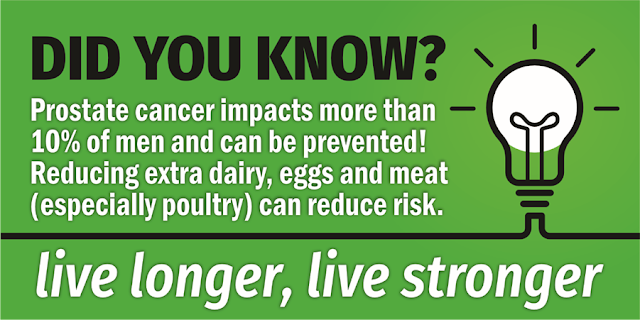
Occasionally, positive things happen in the field of cancer prevention science that show the benefits of popular, good-tasting foods. There is a strong protective correlation between the intake of actual whole fruits and vegetables and the incidence of certain cancers. Patients with prostate cancer were given three-quarters of a cup of canned tomato sauce every day for 3 weeks before their surgeries and their PSA levels, a measurement for prostate cancer cells, dropped by 17.5%. Also, free radical damage of the DNA in their white blood cells dropped by 21%. This is all good news for men - red tomato consumption may contribute to lower prostate cancer risk - and tomato paste is the best way to get a big dose of the lycopene that is so protective. Look for those great recipes to plantify your plates with tomatoes, tomato sauce, and tomato paste!Our Standard American Diet has become so full of the wrong foods that are low in nutrition, high in calories, chemicals, salt, sugar, and fat - to the point many of them are not food at all but food-like substances. The substance abuse of our diet irritates the lining of every blood vessel, adversely affects our gut microbiome, and spikes insulin - all of which are catastrophic for our health. Eating at home more, buying real foods where nothing has been added and nothing has been taken away, and reducing all processed foods can result in health improvement within a matter of days! How bad do you want to feel good? You can start TODAY!
It is Fix-it Friday and you are going to love Zucchini Rollatini!
INGREDIENTS
½ cup cashews
1 tablespoon nutritional yeast
1 tablespoon lemon juice
⅛ teaspoon + ½ teaspoon garlic powder
⅛ teaspoon sea salt
⅛ teaspoon freshly ground black pepper
2 cups frozen spinach
1 cup canned chickpeas rinsed and drained.
¾ cup cooked quinoa
Pinch crushed red pepper (optional)
2 medium zucchinis
1½ cups oil-free marinara sauce (store-bought or
homemade)
2 tablespoons whole wheat breadcrumbs
Fresh flat-leaf parsley, for garnish (optional)
INSTRUCTIONS
For cashew cheese, in a small bowl soak cashews in ⅓
cup hot water for 20 minutes. Transfer cashews and soaking water to a blender; add
nutritional yeast, lemon juice, ⅛ teaspoon garlic powder, and salt and
black pepper. Cover and blend until smooth and thick like cream cheese.
Preheat oven to 400°F. Place spinach in a strainer;
rinse with hot water to thaw it. Drain and squeeze spinach to remove all excess
moisture. Finely chop spinach. For filling, in a large bowl coarsely mash
chickpeas. Add spinach, cashew cheese, quinoa, the remaining ½ teaspoon garlic
powder, and, if using, crushed red pepper; stir to combine. Using a mandolin or
vegetable peeler, slice the zucchini lengthwise into long, thin strips. To
assemble rollatini, lay one zucchini strip on a clean surface and spoon 1
tablespoon of filling on one end of the zucchini strip. Starting with the filled end,
roll the zucchini all the way up. Place the roll, seam side down, in a 3-quart
baking dish. (If the roll starts to unwind, secure it with a toothpick.) Repeat
with the remaining zucchini strips and filling. Spoon marinara sauce over
zucchini rolls and sprinkle with breadcrumbs. Bake for 35 to 40 minutes or until the
edges of the rolls are golden brown. If using, sprinkle with parsley. Serve warmly.
Refined starches, sometimes referred to as "the great grain robbery" are the things we think of as comfort foods: macaroni and cheese, cinnamon buns, cookies, bagels. It all begins with refining wheat to make white flour and in the process, we lose 70% to 90% of the vitamins, minerals, and fiber, and nearly all the good phytochemicals are removed. So, they try to "enrich" products made with white flour, by adding nutrients back in, but only a few. It then is devoid of many great nutrients, and very importantly essential fatty acids and fiber are lost. Then what else is added? Sugar, salt, oil, artificial flavors and color, preservatives, chemicals. By making cakes, cookies, pies, breads, crackers, and other foods we have extracted the good stuff and added the bad stuff. Rethink your health on the shelf and replace these foods with whole food comfort, like hummus, sweet potatoes, and portobello mushroom burgers - go to meatlessmonday.com to find out more!
From the Archives:
Yesterday we talked about the "great grain robbery" where refined grains have been degraded to the point of being harmful. But we do need grains every day! Learn to read labels - if it says "made with whole grains" then they are refined. Why not replace refined grains with whole grains? Use brown rice instead of white rice, and eat whole-grain Ezekiel bread instead of white or other loaves of bread. Pasta is now made from beans and lentils, and there is a delicious Right Rice that is 90% vegetables (lentils, chickpeas, and peas) so it has twice the protein, 5 times the fiber, and 40% less carbs than regular rice. Their seasoned bags are wonderful, and you can find them on Amazon.com to improve your health on the shelf. Have a terrific Tuesday everyone!
On this wonderful Wednesday, why do we seem to be seeing the word "fiber" everywhere? It is pure power when it comes to our health! It reduces the risk of heart disease, stroke, hypertension, GI disorders, obesity, type 2 diabetes, and several cancers. It also helps us feel fuller and more satisfied longer, and our gut microbiomes thrive on it! How do we get enough? It is simple: eat plants. Only plants have fiber, and ALL plants have fiber! Veggies, fruits, whole grains, legumes, fruits - all are good sources. Beans, lentils, split peas, and avocado are among the highest - berries, fruit, dried fruit, flax seeds, grains, and artichokes are next. Power up your plantified plates to hit the goal for more fiber everyone!
You may have heard of "sterols" - they are naturally found in both plants and animals and the most well-known one is cholesterol. Plant sterols are like cholesterol but lower total and LDL cholesterol levels, which cholesterol does not. The best sources of plant sterols are soybeans, other beans, seeds, and nuts. As we have mentioned before, the best fats in these foods are found naturally, not pressed out in oils and when heated, they can become damaged and are no longer helpful for our health - just the opposite. Do not heat your seeds and nuts - eat them raw or even better, soak them overnight to turn up their goodness. Funny how foods are best when they are consumed in the same way they were created :)
More and. re athletes is turning to whole food plant-based diets, for multiple reasons. The first question many of them get is, "How do you get enough protein?" For decades we were told that the highest quality protein comes from meat, and part of that came from a theory that only "complete proteins" are found in meat. This was largely disproven in the 1980s but many of us are not aware of it - all plant foods contain ALL NINE essential amino acids - those we cannot make. Legumes - beans and the like - are inexpensive and loaded with so much good protein. You may not think of drinking soy milk to count as one of your 3 bean servings a day. Or scrambled tofu or add lentils and peas to salads and soups. The book "Nourish" by Dr. Reshma Shah and dietician Brenda Davis will give you lots of great info for everyone in your home, even the little ones - have a fantastic Friday everyone!
Resource: Nourish: The definitive plant-based nutrition guide for families
Monday, June 5, 2023
What's Your "Real Age", Giving up Dairy, and Reducing Medical Costs
Content is a daily radio script from my KHIS radio
spot - tune in at 6:15 (CST) every morning to Justin and Meredith’s morning
show on 89.9 FM.
Did you know that your age is an unreliable indicator of how quickly your body will decline or how susceptible you are to diseases? There is a difference between your chronological age - the number of years you have been alive - and your biological age, which is your physical and functional ability. Biological aging arises from a complex mix of genetic traits and lifestyle choices such as diet and exercise. It is clear from studies in identical twins that genes probably account for only 20 to 30% of our biological age. This is exciting – we can have a lot of control over improving our “real age” with things like eating more plants and less meat on this Meatless Monday! Plantify your plates to reduce your "real age" to live longer and live stronger!
It is Transition Tuesday, and we suggest a four-month plan to transition to healthier, plant-based lives, or a four-week plan for those of you who want to do it quickly. It is time to begin! Month or week 1 the focus will be on giving up dairy. More than anything, this will help you feel better and will improve your health faster than other changes. Diary means cheese, milk, yogurt, butter, and eggs. Replace them with those great recipes you have found, and if you need "transitional cheese" or plant-based spread for your toast, they are in almost every grocery store now. Here is another tip. Until you can fully convert, “split the difference” where instead of drinking a glass of milk, you mix it half and half with almond milk and gradually increase. almond milk ratio. Do the same with plant-based cheeses and eggs. At the end of the week or month, take note of how much better you feel!
Diet and exercise are strong. Influencers of biological age – our “real age,” not the number of trips we have made around the sun. Mostly plant-based meals and spurts of activity throughout the day are well-known “secrets” of living longer and living well. We know that nutrition is the best lever we can use to lower our real age. Several studies have also reported a strong link between social isolation and increased stress, disease, and mortality. This emphasizes that social connectedness is also essential for well-being throughout life. Have a wonderful Wednesday everyone!
Vegetarian diets and lifestyles have been shown to reduce the risk of many chronic diseases, which now account for the major global burden of diseases. Compared to meat-eaters, vegetarians had significantly lower inpatient, outpatient, and total medical costs. Most significant were the lower costs for chronic lifestyle conditions such as high blood pressure and high cholesterol. Those eating plant-based diets nailed the targets for cholesterol, triglycerides, and blood pressure 93 percent of the time, 97 percent of the time, and 88 percent of the time, respectively with nearly a 50 percent drop in medical costs due to depression as well. Look at the health on your shelf - the fridge and kitchen cabinet shelf - to live longer and live stronger!
It is Fix-it
Friday and YUM for some SWEET POTATO CURRY!
INGREDIENTS
1 small onion, chopped.
3 to 4 garlic cloves finely minced.
½ jalapeño, finely chopped
1 (1-inch) piece of fresh ginger, peeled and grated
1 tablespoon curry powder
1½ teaspoons garam masala
½ teaspoon turmeric (optional)
4 cups low-sodium vegetable broth
3 cups peeled and chopped sweet potatoes (about 2 medium)
1½ cups yellow lentils (Toor dal), rinsed and picked through.
¾ cup plain vegan yogurt
Juice of ½ lime
1 bunch Swiss chard, center stems removed, leaves roughly chopped.
1 teaspoon black salt or sea salt
Freshly ground black pepper
INSTRUCTIONS
Place the onion in a large, shallow saucepan, and
sauté over medium heat until translucent (about 3 to 4 minutes), adding water 1
to 2 tablespoons at a time to keep the vegetables from sticking. Add the garlic
and continue to sauté for about 1 minute. Add the jalapeño and sauté for about
2 minutes. Add the ginger, curry powder, garam masala, and turmeric (if using).
Stir to fully combine and cook for about 2 minutes more, adding water, as
necessary. Add the broth, sweet potatoes, and lentils. Stir to combine. Cover
and bring to a boil, then reduce the heat and cover again, this time leaving
the lid open a crack. Simmer for about 20 minutes.
When the lentils are tender and the liquid has decreased, add the yogurt, lime juice, and chard, and cook until the chard is just starting to wilt. Add the salt and the pepper to taste, stir to combine, and remove from the heat. Serve warmly.
Our food choices matter in so many ways and emphasizing health-promoting foods such as vegetables, fruits, whole grains, beans, nuts, and seeds can make a difference! Regardless of where you are on your journey to being healthier, you can begin by adding more of these foods, which will crowd out the health-damaging foods. Focus on real, whole plant foods that have only one ingredient on the label, or no label at all! And it is SO important to know that not only is a plant-based diet safe for children, but they are more likely to meet their nutritional needs than if eating our standard American diet. It is a meatless Monday everyone and have a great one!
From the Archives:
Dietary risk, meaning the outcomes of the foods we choose, is the leading cause of death - yes more. n tobacco use, for Americans. Dietary habits we have as children usually persist in adulthood, so it is especially important to know that good nutrition for children not only helps their current health but has the potential to prevent many chronic diseases for them in the future such as diabetes, heart disease, and cancer. Sadly, most of our children are eating poorly because of fast foods and processed foods. A great resource for raising healthy children who will then become healthy adults is the book Nourish, by Dr. Reshma Shah. Check it out and have a terrific Tuesday everyone!
More about raising healthy kids today - it is SO important for parents to know that food is the single strongest lever to improve our health, and in fact, unhealthy diets now lead to higher death rates than alcohol, drug, and tobacco use combined. The good news is part of the reason is that tobacco use has gone down - it is an example of how behaviors really can be changed through education! Here are some high-level tips: the place where people live best and longest gets 65% of their calories from carbs, 20% from fats, and 15% from protein. Those carbs are plants - veggies, fruit, beans, nuts, and seeds. Look at the health on your shelf - the food items in your home -and ramp up those plants to not only raise healthier children but improve your own health and longevity. Have a wonderful Wednesday everyone!
Avoiding carbs, those low-carb diets, result in the loss of eating the vital packages of energy that only plants manufacture. They are amazing and so important for our health because they are the preferred fuel for our brains, red blood cells, nervous system, and more. Protein can be used for energy, but when we have sufficient carbs, we spare protein, so it is available for SUCH critical things like building and repairing tissues, and making hormones, to name only a few things. Of course, we Americans get way too much of the bad carbs in the form of sugar, and nearly half of it comes from beverages: alcoholic drinks, sodas, sweetened coffees, and teas, and these all lead to increased weight, diabetes, heart disease, and on and on. Eat whole plant foods - not the bad carbs - to live longer and live stronger!
Yesterday we talked about how we eat too much sugar - where can you start reducing it? If half of our sugar comes from what we drink, reduce, and then stop beverages that contain sugar. Read labels to look for "added sugar" - the front of many food labels now read "No added sugar," which is great. This tip sounds simple but cooks and eat at home - you can control the amount of sugar that way. Use vanilla bean or extract, citrus zest, allspice, cinnamon, ginger, and nutmeg - they bring out the natural sweetness of foods. Lastly, make fruit your go-to snack. Have a fantastic Friday everyone!
Resource:
Nourish: The definitive plant-based
nutrition guide for families by Reshma Shah, MD MPH and Brenda Davis, RD
The Benefits of Walking - Carbs are SO Good for Us, - Too Much Protein in our Diet, and Children's Cereals and Soy Benefits
Holistic Habits by Cheryl A. Mothes, Ph.D. Natural Health Nutrition Counselor Content is a daily radio script from my KHIS radio spot - tu...
-
Holistic Habits by Cheryl A. Mothes, Ph.D. Natural Health Nutrition Counselor Content is a daily radio script from my KHIS radio spot - ...
-
Holistic Habits by Cheryl A. Mothes, Ph.D. Natural Health Nutrition Counselor Content is a daily radio script from my KHIS radio spot - tu...
-
Holistic Habits by Cheryl A. Mothes, Ph.D. Natural Health Nutrition Counselor Content is a daily radio script from my KHIS radio spot - tu...