Tuesday, August 8, 2023

The Great Myths - Eating Healthy is Too Expensive, Takes Too Much Time, and is Too Hard! How BAD do you want to be HEALTHY?

Holistic Habits by Cheryl A. Mothes, Ph.D. Natural Health Nutrition Counselor

Content is a daily radio script from my KHIS radio spot - tune in at 6:15 (CST) every morning to Justin and Meredith’s morning show on 89.9 FM. 

Let us address some common false beliefs you have when choosing a healthier lifestyle. First, we may think it is too expensive to eat healthy foods. Consider some tradeoffs, such as, what you are spending on foods and beverages that are unhealthy? Cutting out one trip to the coffee shop each day could save a lot. What is you are spending on other things that you can live without and use toward good foods - the most important investment for your health? Very importantly, how much do you spend eating out, when eating at home is much healthier and cheaper? We have 100 times more heart attacks than those in Uganda, who live on pennies a day eating grains and vegetables. Some of the poorest countries are much healthier than us - we are one of the richest, but we are never in the top 20 healthiest countries, due to our lifestyles. Go to forksoverknives.com or drmcdougall.com to see how you can eat healthier with LESS spending. Here is a hint – it is Meatless Monday everyone! 

Most food choices we make are simply due to ingrained habits. I have shared before that a small percentage of our conditions and diseases are from our genes. What we inherit most from our parents that influences our own health is how they cook and what they eat. Breaking these habits may be one of the most challenging tasks we face. A simple yet highly effective step in getting there is writing down the goal in the form of an "if-then" statement on a piece of paper. Making a healthier option the "default option", for example, "If I am craving a burger, then I will choose a Beyond burger" provides your next step, the substitute you have in mind. It can make a huge difference in your success to live longer and live stronger! It is Transition Tuesday and a great day to write down your plan to live longer and live stronger! 


A false belief about lifestyle change to live longer is that you do not have time to prepare healthy foods. Look at how you spend your time now, and consider, “How badly do you want it?”  How bad do you want health and energy – would that be enough to reduce your TV time, phone time, and social media time? We all have enough time for the things we value, so how much do you value your health and future? You will have more energy and will get things done more quickly when you feel better. And many steps in cooking are left out when you go salt, oil, and sugar-free. Buying already chopped foods can help and it can certainly be just as fast to cook healthy as cooking the standard American diet. For example, you can make black bean brownies that are delicious, from scratch, faster than opening the brownie mix box! It is important – to your entire family, and remember, you influence every person around you! 

Some resist changing their unhealthy eating habits because they feel they cannot live without meat, dairy, or processed foods. But what if by kicking an addiction you could free yourself from diabetes, cancer, heart disease, and stroke? If giving up cheese, meat, sugar, or other super unhealthy foods makes you think it is impossible, start by substituting half of what you would normally eat with the healthy version, like half almond milk and half cow’s milk. Find a friend to help you give it up and join the McDougall Discussion forums online at drmcdougall.com. Try it for 14 days and you will not believe how great you feel when you plantify your plate! 

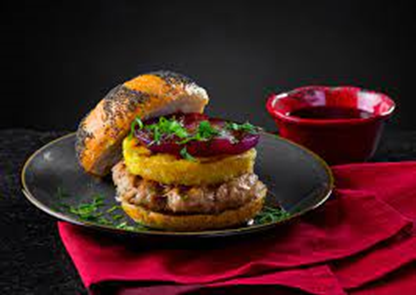
Fix-it FRIDAY is today and its Teriyaki Burgers with Pineapple

 1-pound portobello mushrooms, coarsely chopped
2/3 cup sliced green onions.

2 T low sodium soy sauce or tamari

2 T balsamic vinegar

2 tsp grated fresh ginger.

½ tsp pure maple syrup

½ tsp smoked paprika

¼ tsp crushed red pepper

1 cup whole wheat panko breadcrumbs

2/3 cup cooked and cooled brown rice.

½ cup coarsely chopped walnuts

¼ cup ground flaxseed

6 fresh pineapple slices

6 leaves Bibb or red-leaf lettuce

1 recipe Carrot Pickle

 In a large skillet cook mushrooms over medium 3 to 4 minutes, stirring occasionally and adding water, 1 to 2 T at a time as needed to prevent sticking. Add scallions and cook for 1 to 2 minutes. In a bowl combine the next six ingredients (through the crushed red pepper). Reserve one T to use on the pineapple. In a large food processor, combine the mushrooms, soy sauce mixture, panko, rice, walnuts, and flaxseed meal. Cover and pulse until chunky but not pureed. Shape into six patties, pressing firmly. Chill for at least 20 minutes. Brush the pineapple slices with the reserved soy sauce mixture. Grill the burgers and pineapple, covered, over medium for 8 minutes, turning once. Place each burger on a lettuce leaf, and top with pineapple and Carrot Pickles.

 Carrot Pickle:  In a bowl combine ½ thinly sliced cucumber, ¼ cup shredded carrot, 3 thinly sliced radishes, 2 T rice vinegar, ½ tsp pure maple syrup, 1/8 tsp sea salt. Cover and chill overnight.

 And from a year ago!

 There is a relatively new term you may hear, called "regenerative agriculture" - growing food in ways that feed not only humans but the ecosystem that produces it - restoring soil and managing erosion and water usage are just a few examples. Healthy produce has become a priority for more of us, and a company called "WhatsGood" introduced a model that bypasses farmer's markets to allow consumers to order goods online directly from farmers for home delivery. They are in 21 states, not yet in Missouri, but their app looks great! It is Meatless Monday, and those farmers' markets are in full swing, so take advantage of them and have a marvelous Monday! 

To get healthy produce into areas called "food deserts" - mostly urban areas that have access to little fresh food, some nonprofits are getting creative. Small farms in cities are being created and not only are they growing food, but they are also educating, training, and developing leaders in growing crops. The food is then loaded on buses that deliver to local communities and health centers and churches. Interest in gardening and in volunteering has increased since the pandemic, and it contributes to better health for all involved! South Side Farm, sponsored by Saint Francis Healthcare System, is a great example. Have a terrific Tuesday everyone! 


Yesterday we talked about the rise in urban gardens and the importance of fresh produce that is available for everyone. Not only does it benefit the recipients greatly, but there are also many health benefits of gardening. Simply being outside in a GREEN space is good for our mental health and it reduces stress. Gardening also counts as exercises that boost our immune systems, and of course, pushing a tiller or lawn mower is even better :) Gardening gives us a sense of purpose, connects us with others who enjoy it, allows us to be "at the moment", and importantly gives us something we can count on. Knowing we come home to a few minutes of yard work or gardening gives us certainty, which boosts our mental health. And plantifting your plate with your produce makes us healthier too! You can make a tiny garden in your kitchen window if you do not have much space. Have a wonderful Wednesday and happy gardening! 

For many years, a good number of us avoided corn because we considered it "unhealthy". Associating it with high fructose corn syrup is part of the turn-off, as well as the heavy butter and salt that normally goes with it. But it is time to reframe corn as a healthy food that is loaded with fiber, vitamins, and minerals AND even though it is called sweet corn, it has less sugar than beets or fruits. It is also a good source of protein and antioxidants. Popcorn is too! In Costa Rica, a Blue Zone where people live longest and best, they lean heavily on what they call the "three sisters" of corn, squash, and beans. But - they do not add butter or salt, which effectively negates all the health benefits. Put corn in fresh salsa, soups, on salads, and get Skinny Girl popcorn for your health on the shelf! 

Recent results of the Global Burden of Disease Study shocked many, finding that consuming more than just 2 teaspoons of wine or 2.5 tablespoons of beer a day causes health risks, stating, "Young people should not drink". Oxford University also completed a large study showing there was "no safe dose of alcohol" when it comes to brain health. And a study in Ireland just concluded that alcohol poses a greater risk of heart disease than previously thought. We cannot forget that ethanol breaks down to a known cancer-causing compound that damages our DNA. The best beverages for these fantastic bodies we have been given have no calories, no side effects, and little to no cost:  water and tea. Start reducing your alcohol consumption today to live longer and live stronger on this fantastic Friday! 


Sunday, July 30, 2023

Cooking Foods to Boost Nutrients, Dangers of Milk when it comes to Cancer, and What are Analogs?


Holistic Habits by Cheryl A. Mothes, Ph.D. Natural Health Nutrition Counselor
Content is a daily radio script from my KHIS radio spot - tune in at 6:15 (CST) every morning to Justin and Meredith’s morning show on 89.9 FM.

 Does cooking foods, and the method used to cook them, change their nutritional value? Some foods are simply better COOKED and thankfully, antioxidants are not destroyed by boiling – but they leach out into the cooking water, so it is important to consume the water too. Antioxidant power is boosted in mushrooms when they are microwaved or grilled (rather than raw) but boiling them results in significant decreases. Cauliflower is also negatively impacted by boiling - raw or steaming is better. Broccoli has LOTS of lutein, an eyesight, and brain-protecting compound that boiling increases and steaming nearly doubles the lutein levels - but microwaving cuts it down. Finely chopping spinach can double the amount of lutein - cooking almost eliminates it. Those are some tips to get the most out of your plantified plates in the way you prepare them on this Meatless Monday!

 It is Transition Tuesday and the last of your grocery list to live longer and live stronger has to do with analogs. Analogs are those "like animal products" that have the texture, taste, and sometimes crunch, without the damage of consuming actual animal products. Go to the produce section in any grocery store and visit the plant-based section for cheeses, hot dogs, sausages, and milk. Then go to the freezer section for Beyond Burgers, Gardien Ultimate Chickn Tenders, black bean burgers, and more! Try them all and see which ones you like best. Though they are highly processed, they are a good way to move away from meat and dairy, and next week we will talk about why they are so beneficial. Keep in mind they are not part of a whole food, plant-based diet that is the healthiest choice, but they are a great way to get there! 


 prostate cancer rates around the world have a 70-fold difference in incidence, with the highest rates in North America, Northern Europe, New Zealand, and Australia where a lot of milk is consumed, and lower rates in Asia and Africa where little is consumed. Intake of dairy is associated with increased risk of prostate cancer and the more calcium consumed from dairy sources, the higher the risk. The good news is that non-dairy, plant-based calcium sources have been found to protect against it. With plant-based diets, prostate cancer patients had a significant reduction in their PSA levels, indicating tumor shrinkage and their bloodstream became almost eight times better at blocking cancer cell growth! High dairy consumption after a prostate cancer diagnosis can contribute to a 141 percent increased risk of dying from the cancer. The research is clear, dairy is scary for men when it comes to prostate cancer.

 This is shocking! By drinking milk after infancy, we persistently ‘abuse’ the growth-promoting signaling system of milk that maintains the most important hallmark of cancer biology, which is a signal to continuously grow! But what about calcium supplements? They have been shown to significantly reduce colon polyps that may otherwise turn into cancer but have also been associated with adverse cardiovascular problems. The best way to get calcium then is from dark-green leafy vegetables and legumes like beans, split peas, chickpeas, and lentils, or calcium-fortified foods, such as soy or almond milk. Check your health on the shelf and remove the milk to prevent and reverse disease and live longer and stronger! 

FIX IT FRIDAY MEANS “NO TUNA SALAD SANDWICHES”

 Ingredients:

 1 15-ounce can of chickpeas, rinsed and drained.

3 T tahini

1 tsp Dijon or spicy brown mustard

1 T pure maple syrup

¼ cup diced red onion

¼ cup diced celery

¼ c diced pickle

1 tsp capers drained and chopped.

1 T unsalted sunflower kernels

8 slices Ezekiel Bread

Romaine lettuce sleeves, halved cherry tomatoes, sliced red onion.

 Directions:

 In a medium bowl mash chickpeas with a fork, leaving a few whole. Add the rest of the ingredients (through the sunflower kernels). Mix well and scoop onto four slices of bread, add desired toppings, and place remaining bread slices. 


Less Meat = Less Disease and More Meat Analogs!

 Cerebrovascular disease is another name for stroke. For the most common type of stroke, which is caused by clots, vegetarians consistently have almost 60 percent lower risk. And for bleeding strokes, they have about 65 percent lower risk than nonvegetarians. Also, there is a significant protective effect of a vegetarian diet when it comes to the incidence and mortality from heart disease and total cancer, with a vegan diet resulting in about twice the reduced risk of cancer. It is Meatless Monday and based on this great news, why not make EVERY day Meatless Monday?! 

It is Transition Tuesday and last week we talked about meat analogs – those “like meat” plant-based alternatives and a recent study had people eat two servings a day of plant versus animal meat for eight weeks each while keeping everything else the same. Instead of burgers from cows, sausage from pigs, and breasts from chickens, they ate burgers, sausage, and breasts from plants. The results showed a SIGNIFICANT drop in TMAO levels for the plant-based meat group – TMAO is associated with heart failure, kidney failure, and our number one killer, atherosclerosis. The plant-based meat group also achieved a significant drop in cholesterol – no surprise. Contrary to critics of analogs, there was basically no difference in sodium intake. And the big surprise was weight – the plant-based group lost a couple pounds despite no differences in calorie intake or physical activity levels between each phase. Same calories, yet less weight. Analogs not only help you transition off meat, but they also improve your health, so try them! 

Monday, we shared the many benefits to your health of eating no animal products, based on so many studies. But what happens when you stop eating vegetarian and start eating meat? The Adventist Health Study found that compared to those who stayed vegetarian, those who started eating meat suffered a 231 percent increased risk of gaining weight, 166 percent increased risk of developing diabetes, 152 percent increased risk of having a stroke, and 146 percent increased risk of being diagnosed with heart disease. Plantify your plates, y’all, to live longer and live stronger! 

The largest and oldest association of nutrition professionals in the world is clear with their messaging: Plant-based diets are appropriate for all stages of our lives and may provide health benefits for the prevention and treatment of certain diseases. For example, vegetarians and vegans are at reduced risk of heart disease, type 2 diabetes, high blood pressure, certain types of cancers, and obesity. Everything we eat has an opportunity cost -unless we are consuming plant-based whole foods, every time we put something in our mouths, we have an opportunity to eat something even healthier. Try it 14 days - live longer, live stronger, and live better by taking those opportunities! 

FIX-IT FRIDAY IS TEMPEH BBQ SANDWICHES WITH PINEAPPLE SLAW!

 INGREDIENTS

1 8-oz. package of fresh button mushrooms finely chopped.

1 cup chopped onion.

2 cloves garlic, minced.

4 oz. tempeh, crumbled.

1 cup cooked wheat berries

1 14.5-oz. can of non-salt-added diced tomatoes, undrained.

½ cup low-sugar barbecue sauce

2 cups shredded red cabbage.

1 cup chopped fresh pineapple.

¼ cup sliced scallions

2 tablespoons brown rice vinegar

4 100% whole wheat hamburger buns, toasted.

 INSTRUCTIONS

In a large skillet cook mushrooms, onion, and garlic over medium for 5 to 8 minutes or until tender. Add tempeh and wheat berries; mix well. Stir in tomatoes and barbecue sauce. Reduce heat to low; simmer for 5 to 8 minutes or until slightly thickened. Meanwhile, for slaw, in a medium bowl toss together cabbage, pineapple, scallions, and vinegar. Spoon mushroom mixture on bun bottoms. Top with slaw and bun tops.


Wednesday, July 19, 2023

Reducing Anxiety and Get Outside More to Improve your Life


Holistic Habits by Cheryl A. Mothes, Ph.D. Natural Health Nutrition Counselor

Content is a daily radio script from my KHIS radio spot - tune in at 6:15 (CST) every morning to Justin and Meredith’s morning show on 89.9 FM. 

Sarah Wilson is an expert on dealing with anxiety and she shares that having a morning routine is very effective in reducing anxiety, carving out time to meditate and exercise, and setting up your day.  She shares that a condition like anxiety can be seen as carrying a shallow bowl of water. You must keep it stable - meaning no late nights, eating healthy, no wild behavior - to keep this bowl of water steady so it doesn’t slosh around because it usually sloshes all over your loved ones and when that happens you must really work hard to fill the bowl back up again.  Mental health management can be achieved with actions that help you live longer and live stronger! 

We've been building a shopping list for transitioning to a healthier life - 80% of our health, energy, and longevity are related to what we eat!  Ramp up the seeds and never buy roasted or salted - hemp, sunflower, pumpkin, chia, and flax are the best.  We should eat them every day.  Spices like cinnamon, turmeric, cumin, and cloves - hang out in the spice section and add them to all your hot dishes, grains, and smoothies.  Lastly, liquid aminos, balsamic vinegar, and salsa are great options for sprinkling on foods and salads - or Google "Vegan Salad Dressings" to find great ones on this Transition Tuesday.


 We’ve spent several days talking about anxiety and the work Sarah Wilson has done to help others with reducing it and coping best.  Suffering from it herself, she shifted to look at anxiety as a beautiful thing that can be put to good use. Throughout history, incredible leaders, poets, and scientists have had anxiety.  Anxiety and excitement trigger very similar responses in the brain. She asks herself, "Am I anxious or am I excited?" and just answering that question is freeing, making the choice to see it as excitement and not a disorder.   Lastly, she shares that meditation is not fun— it’s tedious and hard work, but for her, it was a game-changer.  Have a wonderful Wednesday by learning to meditate to reduce your anxiety! 

In a greener environment, people report fewer symptoms of illness, and have a better perception of general AND mental health––by a lot!  It could mean less air pollution as well, and air pollution is no joke - it is the fifth leading cause of death, killing almost five million people a year. Natural settings may simply promote health-enhancing behavior rather than having specific and direct benefits for health.  Whatever the reasons, we are healthier being outside, walking, riding bikes, and forest bathing! 

Fix-it Friday means delicious Lentil Sloppy Joes! 

In a Dutch oven cook chopped onion and bell pepper in water for 5 minutes or until the onion is tender.  Stir in chili powder, vegetable broth, fire-roasted diced tomatoes, brown lentils, maple syrup, Dijon mustard, soy sauce, rice vinegar, and vegan Worcestershire sauce.   Cover and simmer for 1 hour, stirring occasionally.  Serve the lentil mixture on buns, add red onion and sliced chili peppers, and additional mustard as desired. 

Ingredients: 

1 cup chopped onion.

¾ cup chopped red bell pepper

3 1/3 cups water or low-sodium vegetable broth

1 T chili powder

1 14.5-ounce can of fire-roasted, diced tomatoes, not drained.

1 ½ cups dry brown lentils, rinsed and drained.

2 T pure maple syrup or date syrup

2 T reduced-sodium soy sauce.

2 T Dijon mustard

1 tsp rice vinegar

1 tsp vegetarian Worcestershire sauce

Whole grain hamburger buns or Ezekiel Bread slices toasted if desired.

Sliced red onion, sliced fresh chili peppers. 

And a blast from the Past! 

We know that gut health is the foundation for better digestion, increased metabolism, decreased inflammation, and risk of chronic diseases.  But how can we make it better?  This week we'll focus on some simple tips.  Understand that gut health means overall health, meaning it's SUPER important in building your health and reversing the damage that has already been done.  The first tip is, yes like we always say, eat more whole grains, nuts, veggies, beans, and fruits.  And remember the more variety, the better it is for our gut microbiome.  Shoot for 30 different foods every week and go to mondaycampaigns.org for great recipes!  

Though it's so basic, gut health is crucial to our well-being.  Interestingly, Hippocrates, the father of Western medicine, believed that all disease begins in the gut.  So, we've known this for a long time!  To decrease inflammation and the risk of disease, we're focusing this week on simple ways to improve your gut microbiome. Brushing and flossing your teeth frequently helps our gut!  Yes, bacteria in our mouths get to our stomachs and cause problems with the balance of gut microbes.  Brush after each meal and floss every day to boost your ability to prevent disease.  Have a terrific Tuesday everyone! 

All week we are talking about the VERY important link to long-term health - the health of our gut microbiome.  Healthy gut, healthy life, meaning it's critical to our overall wealth of health!  In addition to eating 30 different whole grains, nuts, veggies, fruits, and beans each week, eating fermented foods like sauerkraut, kimchi, and tempeh will increase the good bacteria in our gut.  If you're not familiar with tempeh, it's fermented soybeans that can be crumbled up on salads or added to any hot dish.  All these foods can be found locally, so power up your plantified plates with fermented foods and have a wonderful Wednesday! 

Here are some additional tips for boosting the health of our very important gut microbiomes:  consume dark chocolate, red grapes, almonds, onions, blueberries, broccoli, and green teas.  The powerful compounds in these foods improve gut health overall.  Look for the 80% or higher cocoa content for dark chocolate, as you'll get too much sugar with the lower concentrations.  Stock up your health on the shelf with these foods to live longer and live stronger!

 Our last tips for boosting the super important health of our gut microbiomes are to help our good gut bacteria fight the bad bacteria by adding spices such as turmeric, ginger, garlic, and cinnamon to our foods and by limiting artificial sweeteners.  Our gut is truly where all the magic happens to build the foundation of our health, prevent disease, and reverse diseases - you can start improving it today!  Have a fantastic Friday everyone and if you haven't already signed up for Nutritionfacts.org, do so today to get more of these great tips!


Monday, July 17, 2023

7 Hours of Sleep is Optimal, and Fabulous Fiber!


Holistic Habits by Cheryl A. Mothes, Ph.D. Natural Health Nutrition Counselor

Content is a daily radio script from my KHIS radio spot - tune in at 6:15 (CST) every morning to Justin and Meredith’s morning show on 89.9 FM. 

It is surprising to know that a critical function of sleep is the clearance of toxic waste substances that build up during the day. This could explain why those who routinely get less than seven hours of sleep a night may be at increased risk of developing cognitive disorders like dementia. The lowest risk for developing cognitive impairment was found for those getting seven to eight hours of sleep a night, which is also the same optimal range found for diabetes risk. Sleeping too little or too much is associated with cutting our life short, with the best amount at seven hours a night. Shoot for seven everyone to live longer and live stronger!

Probiotics are good microbes that are found in fermented foods. Tempeh, sauerkraut, miso, and kimchi are examples. Prebiotics are fiber that feeds good bacteria so they can produce incredible anti-inflammatory short-chain fatty acids that strengthen the microbiome barrier. You may have heard of “leaky gut” – that microbiome barrier strength is so important, and you can build it up with prebiotic wonder foods like fruits, veggies, beans, grains, and seeds! Plantify your plates on this wonderful Wednesday everyone! 

There are many myths about fiber. One is that all fiber is the same, so we need to just count the grams and strive for 50. This is not true - the fiber in cereal or a breakfast biscuit is different from the fiber in quinoa. Also, some believe that fiber just passes through us - the fact is, our microbiomes contain an insane number of digestive enzymes and there are potentially millions of types of fiber in our diet. Every single plant, every single type of fiber requires a unique team of microbes working together. The breakdown of fiber by our gut bacteria unleashes the most healing nutrient in all of nature:  short-chain fatty acids - fiber is critical to this process. 

It is Fix-it Friday and YAY for Layered Southwestern Salad 

Ingredients: 


4 corn tortillas, cut into thin strips.

2 cups frozen corn, thawed with hot water.

¼ cup chopped fresh cilantro

1 clove garlic, minced.

½ tsp chili powder

1 tsp lime zest

6 cups chopped romaine lettuce.

4 Roma tomatoes, chopped.

1 15-ounce can of non-salt-added black beans, rinsed.

½ cup refrigerated fresh salsa

1 15-ounce can of non-salt-added pinto beans, rinsed.

1 avocado, chopped.

1 recipe of Tofu Sour Cream

 Preheat oven to 400 degrees F. Place tortilla strips in a shallow baking pan and bake 7 to 10 minutes, stirring occasionally, until strips are lightly browned. Cool on a wire rack. In a medium bowl, stir together the next five ingredients (through lime zest). Season with pepper as desired. In a 4-quart glass bowl, layer romaine and tomatoes. In a small bowl toss together black beans and half of the salsa and spoon it over the tomatoes. Add Corn. In the same small bowl combine pinto beans and the remaining salsa then spoon over the corn. Add avocado. Spread seasoned Tofu Sour Cream over the salad. Sprinkle with crispy tortilla strips and additional cilantro. For the Tofu Sour Cream, combine one 12-ounce package of extra-firm light silken tofu, drain, and 1 Tbsp each of lemon juice and white wine vinegar in a blender. Blend until smooth. Chill until ready to serve.

 And a Blast from the Past:

 On this Meatless Monday, we are talking again about our genetic makeup, that "legacy" that our parents bestow upon us, but we know from last week that there is great news to empower us - we are not victims of our genes. We have more control than we ever thought because most of what we inherit from our family is simply their habits, and we can certainly change our habits! Also, studies show that over 500 genes can be favorably changed through diet. For example, hundreds of oncogenes that promote cancer can be switched off in only three months! And of course, it is by going meatless and increasing vegetables, grains, fruits, beans, and seeds. Stay tuned for more and have a marvelous Monday!

 More today about how you can turn up good genes and turn down bad genes - yesterday it was about turning down genes that promote cancer, but our lifestyle habits also affect genes that promote heart disease, diabetes, Alzheimer’s, and other conditions. Enzymes called sirtuins (sear-tu-ins) wrap your DNA around proteins to stop bad genes - isn't that just miraculous? These sirtuins that we can turn up through lifestyle changes can be called anti-aging proteins and have an important role in many chronic diseases. Our lifestyles can be HEALING. Have a terrific Tuesday everyone and come back tomorrow to learn more to live longer and stronger!

 Yesterday we talked about sirtuins, those anti-aging proteins that reduce chronic diseases. Glycation is a process where the sugar in our bloodstream attaches to proteins and fats, and it forms harmful molecules called Advanced Glycation End-products - the acronym is appropriately AGE's - AGE's makes you age! They suppress those good guys, the sirtuins, and therefore make us age faster. AGEs are in our food, especially high in meat. They cause oxidative stress and inflammation, leading to all sorts of health conditions. So, on this wonderful Wednesday, consider improving your wealth of health by eating more plants and less meat.

 Yesterday we talked about AGE molecules that make us age by stopping good proteins that help our genes, and those AGEs are found to be exceedingly high in our standard American diet. It is not just the foods we eat but the ways we cook them that can increase the deadly AGEs. Animal foods that are high in fat and protein are AGE-rich and cooking them only increases those AGE's. We know from the book The Blue Zones, that those in the world who live the longest and best eat predominately plants. So again, we can live longer and live stronger by improving our DNA by eating a diet with more of a plant-slant.

 We have talked all week about fixing our genes - yes, we can - increasing good proteins called sirtuins and reducing AGEs, both of which can be accomplished through foods and how we cook, or do not cook them. A soy burger cooked in a microwave has only 20 AGEs - those harmful molecules - and if you add 1 teaspoon of oil to a pan and fry it, that number raises to 131. In huge contrast though, two strips of fried bacon, a piece of steak, and a roasted chicken thigh, all with no oil added, have over 10,000 AGEs to age our cells! And if you barbecue that chicken thigh? It goes to 16.000 AGEs. WOW. Consider overhauling your health on the shelf by choosing low AGE foods - vegetables, nuts, seeds, fruits, beans, and grains, and getting rid of the high AGE meats and have a fantastic Friday everyone!

 References:  UnDo It! How Lifestyle Changes Can Reverse Most Chronic Diseases by Dean and Anne Ornish and The Blue Zones, Eating and Living Like the World's Healthiest People by Dan Buettner

Thursday, July 13, 2023

Reducing Anxiety and more Shopping List Items to Transition to Health


Holistic Habits by Cheryl A. Mothes, Ph.D. Natural Health Nutrition Counselor

Content is a daily radio script from my KHIS radio spot - tune in at 6:15 (CST) every morning to Justin and Meredith’s morning show on 89.9 FM. 

Sarah Wilson has authored books on sugar addictions and recently authored a book about her own struggles with anxiety. People used to think that anxiety and depression were caused by a deficit of serotonin in the brain. Science now shows that 80 to 90 percent of the serotonin in our body is made in our digestive tract, so the health of our gut is critical. Chronic inflammation, linked to almost all chronic diseases, is also linked to depression, anxiety, and other mood disorders. That is why eating an anti-inflammatory diet improves our mood and overall mental health. Sugar is one of the biggest culprits when it comes to chronic inflammation as are unhealthy fats, preservatives, chemicals, and whey, which is found in milk. Reducing anxiety is another great reason to have a Meatless Monday with plant-based whole foods! 

We have been building your shopping list for the past few weeks and hanging out in the produce section for veggies and fruits is key! Then add hummus, unsweetened almond milk or oat milk, black beans, garbanzo beans, red beans, pinto beans, and lentils and if you buy canned rather than dry beans, try to get low-sodium ones. Buy brown rice, quinoa, oats, and barley - they are GREAT grains for our gut microbiome, and the only bread we recommend is sprouted bread such as Ezekiel bread, found in the freezer section. Remember to buy organic food whenever possible and have a terrific transition Tuesday everyone, transitioning to better health! 

We mentioned Monday that Sarah Wilson has authored books on sugar addictions and about her own struggles with anxiety. She shares that we are too often engaging in lifestyle practices that are emulating the anxious response in our brains. Constant time on our phones mimics the anxious response in our brains and gives us an artificial injection of it, triggering the anxious response. Maybe you are old enough to remember how we were "BC" – before cell phones. If we had a call, we would get up, go to the phone and many times walk over and grab a pen and paper to write something down. Now we sit and do it all on our phones with no space or time to process it. Getting up and down helped with getting more movement, but it also gave us time for our brains to think, respond, and ponder as we wrote it down. We hear it all the time – limit time on our phones, tablets, computers, and televisions. Instead of watching TV for four hours a night, reduce it to two and play cards, do puzzles, read books, or go for walks. Try it for one week and see how much less you are stressed!

Earlier, we talked about dealing with anxiety and pulling away from our devices. Additionally, most of us do not have a Sabbath anymore, or a day of rest to pause and reflect, and in the blue zones, where people live longest and best, they do. We used to go to church and then hang out all day together, doing things outside or just talking around the lunch table. We do have an incredible capacity to deal with stress, but we cannot cope with not truly connecting with ourselves and our community. Talk as a family to decide the time you can set aside for rest. Or pick a morning you can pull out of the office each week to do some deep reading. Join groups in the community that socialize and play games or walk. Research shows that you cannot walk and be anxious at the same time. Walking out in nature is even better—there are actual compounds in trees and in nature that dampen adrenaline. The more time we can recreate, especially outdoors and with others, the better!

 It is Fix-it Friday and WOW for Dilled Veggie Toasts!

 Ingredients 

2 cups fresh sweet corn kernels

2 cloves garlic very thinly sliced.

1 cup halved grape tomatoes.

1 medium zucchini quartered lengthwise and sliced.

3 Tbsp white wine vinegar

¼ cup chopped fresh dill

Freshly ground black pepper to taste

1 8-ounce carton of oil-free hummus

4 large slices of hearty whole grain bread, toasted.

 In an extra-large nonstick skillet cook corn over medium-high until just beginning to char, stirring frequently and adding water, 1 to 2 Tbsp at a time, as needed to prevent sticking. Stir in garlic and remove from heat. Stir in tomatoes, zucchini, and vinegar. Stir in dill and season with pepper. Spread hummus over toast slices then spoon vegetable mixture over each. If desired, garnish with additional fresh dill.

 From the Archives:

Yes, it is AUGUST, and did you know that August is Summer Sun Safety Month? It makes sense - but did you also know that plant-protective nutrients can function as internal sunscreens to help stop harmful UV rays? Yes, antioxidants are powerful in protecting us from sunburn, UV-induced skin damage, aging, and even skin cancer. The best foods to incorporate into our diet to provide the nutrients for that INTERNAL sun protection are avocados, carrots, dark chocolate, goji berries, grapes, green leafy vegetables, oranges, pomegranates, green tea, and watermelon. So, on this meatless Monday, load up on these great summer foods to protect your skin, but use an all-natural sunscreen too! Have a marvelous Monday!

Let us talk more about the power of plants:  a large, 30-year study showed that those eating a mostly plant-based diet were 32 percent less likely to die from a cardiovascular condition, and 25 percent less likely to die from any other cause. They also found that if you move to a fully plant-based diet and stay there for one to three months, virtually everyone switched their taste preference to love those vegetable, fruit, and grain dishes and stopped their cravings for meat and dairy products. So, hang in there for just a few weeks so you can live longer and live stronger, and have a terrific Tuesday!

 One of the best ways to make sure that we get the phytochemicals (that fight inflammation and boost our immune systems), vitamins, minerals, and antioxidants we need is to "eat the rainbow". That means deeply pigmented fruits and veggies in at least five different colors - it assures that we get ALL those great micronutrients and get them in the right combinations to work together. Remember that the magic of our health and immune systems begins in our gut, and our gut functions best when we eat a widely diverse array of foods - strive for 30 different nuts, seeds, beans, fruits, vegetables, and grains every week. And have a wonderful Wednesday everyone and improve your wealth of health by eating the rainbow!

 Yesterday we talked about the importance of "eating the rainbow" to make sure you get five dark-colored foods every day - and there are apps for it! It is called Eat the Rainbow Food Journal or Eat Five or VegHunter. They will help you get a larger variety of green, blue, purple, red, yellow, orange, and brown foods we need! We know that our gut health is critical to our immune systems and preventing disease - and it is exciting to know that shifting to healthier plant-based foods can cause a big shift in our gut in less than five days. Great enzymes, probiotics, and prebiotics can be added to our gut to boost health and wellness. So, get one of those apps and live longer and live stronger everyone!

 Let us talk more about eating the colors - meaning deeply pigmented foods to boost our health. Dark greens have cancer-blocking chemicals, and are high in folate and calcium for stronger bones, muscles, and heart regulation - think spinach, green tea, avocados, asparagus, and kiwi. Blue and purple foods literally wipe out free radicals, boost our brain health, reduce inflammation, and delay cellular aging. Add blueberries, blackberries, black grapes, and eggplant to your shopping list. Red foods like apples, beets, cherries, red peppers, and tomatoes are rich in lycopene, a potent scavenger of gene-damaging free radicals. Yellow and orange foods are high in vitamin C and beta-carotene, they inhibit tumors, detoxify our bodies, reduce inflammation, and boost our immune systems. Add apricots, cantaloupe, carrots, oranges, and mango to your day. Lastly, get lots of great nuts and beans to eat dark brown foods and gain healthy fat and protein, and lower cholesterol. Power up your plates on this fantastic Friday by eating the rainbow!

 References:  Natural Awakenings, July 2021, and Darin Olien.com


Tuesday, June 27, 2023


Holistic Habits by Cheryl A. Mothes, Ph.D. Natural Health Nutrition Counselor

Content is a daily radio script from my KHIS radio spot - tune in at 6:15 (CST) every morning to Justin and Meredith’s morning show on 89.9 FM. 

Angiogenesis is critical to our health – it is growing and maintaining our blood vessels. We have 60,000 miles of blood vessels in each of us - our bodies are miraculous! Maintaining our blood vessels leads to optimal health but many factors can derail it - leading to either excessive or insufficient angiogenesis. And how is it best controlled? You guessed right, through what we eat and the health of our gut microbiomes! Stay tuned to hear more about the best ways to care for our blood vessels and have a magnificent Monday everyone! 

Last week we started a transition shopping list for you, suggesting veggies to buy. Here is the best list for fruits and remember fresh is best but frozen is fine - unless sugar has been added. Add oranges, apples, peaches, plums, passion fruit, blueberries, strawberries, blackberries, raspberries, red grapes, cherries, passion fruit, pomegranates, and apricots - all fruits you love - to your shopping carts. Try one new fruit every week and look for organic whenever possible. Never be concerned about the grams of sugar in real fruits - the fiber that carries the sugar slows the absorption, and the nutrients in fruit are stellar. Have a terrific transition Tuesday everyone, transitioning to better health! 


Monday, we mentioned the best way to support angiogenesis – growing and maintaining the 60,000 miles of our blood vessels – is by having a healthy gut. After just a few days of unhealthy diets, we wreak havoc on our microbiome and leave scars that take time to recover, even after we eat healthier. The best way to care for our gut microbiome, and then every one of our blood vessels, is to eat lots of dietary fiber from real foods, less animal protein, more fresh, whole foods, and less processed foods. Remember that unprocessed foods are those that have nothing added and nothing taken away. If you are interested in seeing how well you are doing on consuming the best foods, and ways to improve, search “Calculate Your Healthy Eating Score", and have a wonderful Wednesday everyone! 

All week we have been talking about angiogenesis – the critical need to care for our blood vessels that supply everything our cells, organs, and bodies need to be healthy. The foods that support angiogenesis will not surprise you at all. They are: 

·         Soy, Tomatoes, Broccoli, and Kale

·         Stone fruits like peaches, plums, nectarines, apricots, cherries, mango

·         Green tea and chamomile tea

·         Apples and berries

·         Tree nuts such as walnuts, pecans, almonds, cashews, pistachios, pine nuts, and macadamia nuts

·         Seeds, including flax seeds, sunflower seeds, sesame seeds, pumpkin seeds, and chia seeds.

·         Beans, capers, onions, peppers, dark chocolate, and barley. 

Plantify your plates to take care of your blood vessels!  

It is Fix-it Friday.

Vegan Spaghetti Marinara with Lentil Meatballs

 INGREDIENTS

 1 cup dry brown lentils rinsed and drained.

1 8-oz. package button or cremini mushrooms trimmed and chopped.

1 onion, chopped (1 cup)


3 small cloves garlic, minced.

¼ cup whole wheat flour

3 tablespoons reduced-sodium tamari or soy sauce.

2 tablespoons of no-salt-added tomato paste.

1 tablespoon nutritional yeast

1 teaspoon dried oregano, crushed.

1 teaspoon onion powder

Sea salt and freshly ground black pepper, to taste.

1 lb. dry whole-grain spaghetti

6 cups purchased oil-free marinara sauce.

2 Tbsp. chopped fresh basil.

 INSTRUCTIONS

In a large saucepan combine lentils and 1 cup water. Bring to boiling; reduce heat. Cover and simmer for 15 minutes. Add mushrooms, onion, and garlic. Cover and cook for about 15 minutes more or until lentils are tender. Uncover and cook until any remaining liquid has evaporated. Stir in the next seven ingredients (through salt and pepper). Cook, uncovered, over low for about 10 minutes or until liquid is absorbed and the pan is very dry, stirring occasionally. (Watch carefully so lentils do not scorch.) Spread mixture in a shallow baking pan; cool completely. Preheat oven to 250°F. Line a 15×10-inch baking pan with parchment paper. Scoop out 2 Tbsp. lentil mixture, shape into a ball, and place in prepared pan. Repeat to make about 20 lentil balls. Bake for 45 minutes or until lightly browned and crisp. Meanwhile, cook spaghetti according to package directions. In a saucepan heat marinara sauce. Drain spaghetti, return to pot, and toss with 3 cups of the warm marinara sauce. To serve, top spaghetti with lentil balls and top with the remaining sauce. Sprinkle with basil.

 Reference:  Eat to beat disease by Dr. William Li and Forks Over Knives Cookbook 

On this meatless Monday, we are going to talk about our genetic makeup, that "legacy" that our parents and grandparents bestow upon us - many of them good, some not so good. Genes are parts of our DNA that determine certain traits. There are myths about our genetic makeup - first, many times our health is not related to our genes at ALL - it is not the DNA our parents gave us, it is how they ate, moved, socialized - their lifestyles that they passed onto us. Second, if we did indeed receive genetic challenges from them, we think we can try and overcome them through better lifestyles alone. Most of us are unaware that we can CHANGE our DNA - we can modify our own genes to counter family history and stop the legacy! Stay tuned and have a marvelous Monday! 

Yesterday we talked about the myths regarding the genetic code our parents give us - that most times it is not their genes but their lifestyle habits we inherit, and that if we did get genetic problems from them, we cannot change anything about it. This is exciting news for everyone who has been burdened with concern about their family genes - we can CHANGE our DNA! It sounds incredible, but we can activate dormant GOOD genes that help prevent disease and turn off - it is called down-regulating - BAD genes that cause cancer, heart disease, and other chronic illnesses! WOW! Have a terrific Tuesday everyone and come back tomorrow to learn more! 

All week we are focusing on genes - the fact that most of what we think are "genetic issues" - my mom was diabetic, my dad and grandma had cancer - are not passed onto us at all genetically, but because they were a result of lifestyle choices. If we do not own those lifestyles, we do not own those genes. But we also know from research that we can change our genes. Yes, we have the power of the plate to change our destiny, and a plant-based diet was found to cause more than 500 genes to exchange their expression in ONLY 3 months - meaning good genes ramped up and bad genes diminished. So, on this wonderful Wednesday, consider improving your wealth of health by eating more plants, and no meat. 

We have talked all week about our genes - that we can change our genetic code, our DNA, and its legacy through lifestyle changes and HOW does that work? God made our bodies to be so miraculous! At the very ends of our DNA strands are what we call telomeres, and they are so important - they protect our chromosomes from being damaged. Those protective caps seem to shorten and protect us less as we age - here is the exciting part so drum roll, please. The research found that those who shifted to a plant-based diet LENGTHENED THEIR TELOMERES BY 10%! Those who continued their Standard American Diet had telomeres shortened by 3%. We can live longer and live stronger by improving our DNA with plants! 

We have talked all week about fixing our genes - yes, we can! - by lengthening the protective telomeres on the end of every strand of DNA through nutrition. There is an entire field called epigenetics that studies how behaviors and our environment affects our genetic material  They are finding more and more that by reducing the environmental factors that put us most at health risk - sugary and processed foods, pollutants and heavy metals, and lack of exercise and stress, we can have a positive impact on our genes.  Foods that shorten our telomeres are red meat, white bread, sweetened drinks saturated fat, and alcohol. Those that lengthen them are whole grains, veggies, nuts, beans, seaweed, fruits, and coffee. So, add those to your health on the shelf and have a fantastic Friday everyone! 

References:  The Alzheimer’s Solution by Dr. Aesha and Dr. Dean Sherzai and 72 Reasons to be Vegan by Gene Stone and Kathy Freston


The Benefits of Walking - Carbs are SO Good for Us, - Too Much Protein in our Diet, and Children's Cereals and Soy Benefits

Holistic Habits by Cheryl A. Mothes, Ph.D. Natural Health Nutrition Counselor Content is a daily radio script from my KHIS radio spot - tu...