Sunday, March 5, 2023

Plant-Based Athletes, Stress Management, and WE NEED CARBS!


Holistic Habits by Cheryl A. Mothes, Ph.D. Natural Health Nutrition Counselor

Content is a daily radio script from my KHIS radio spot - tune in at 6:15 (CST) every morning to Justin and Meredith’s morning show on 89.9 FM.

 Consumer interest in going plant-based has surged over the last few years, and athletes are no exception. In the past, meat was seen as an irreplaceable performance-enhancing food, today the trend is developing in the opposite direction, thanks to documentaries like The Game Changers.  Several high-profile athletes, from heavyweight champion boxers to tennis players, fuel with plants. Athletes have increasingly been adopting plant-based diets––not only for the related health benefits but to improve performance. Increasing plant-based foods may boost artery dilation, and the antioxidant and anti-inflammatory properties lead to improved blood flow, and reduced oxidative stress and inflammation.  This can in turn enhance endurance performance, reduce muscle damage, and speed up muscle recovery.  Athletes, kick it in high gear by making your meals plantification stations on this marvelous Meatless Monday!

Exercise itself can release free radicals that can lead to muscle fatigue, reduced athletic performance, and impaired recovery, but the antioxidants concentrated in plant foods can help extinguish them! The level of oxidative stress before and after running for a few hours shows it doubles, but if you eat a cup and a half of blueberries an hour before the run, you can significantly blunt the stress. 

Eating blueberries can improve exercise performance, whereas eating meat can make things worse. Shifting to a dietary pattern with more plants and less animal-sourced food has been shown to reduce inflammation and improve immune status. We also know there’s a performance-enhancing effect to nitrates, boosted by eating more nitrate-rich vegetables such as beets, spinach, and other greens.  Remember that the time is changing and get up earlier a bit every day to help your body adjust to having a terrific Tuesday everyone! 

Stress is one of the leading causes of chronic inflammation. Unlike most of the modern world, residents in the blue zones, where people live the longest and best, turn to traditional down-to-earth practices to recharge and renew energy.  And they live to be 100 by avoiding the leading killers of today: cancer and cardiovascular diseases.  They go outside to get 15 minutes of sunlight daily, garden, take naps, laugh a lot, drink plenty of water, and follow clean, whole-food diets.  They also take 10 minutes a day to pray, meditate or reflect.  They get together with friends to have fun, vent and lend support.  Their village of friends provides a safe space to help them through stressful times and when members of these groups need financial or emotional assistance, the others are readily available to support them.  People who don’t have close ties to a community have a much higher chance of dying than those who do!   Destress, unwind, and "find your people" to live longer and live stronger have a wonderful Wednesday everyone! 

If you look at overall plant-based diet scores, the more you increase your intake of any plant foods and decrease your intake of any animal foods, the lower your risk of death, but that’s because people were adding healthy plant foods like fruits and vegetables. If you just look at people who ate more processed, sugary junk over time, their mortality risk goes up, meaning increasing the intake of healthy plant foods and decreasing the intake of not just animal foods, but also animal crackers can lower the future risk of premature death. Reducing the intake of carbs, cutting down not just refined carbs and sugars but healthy high-carb foods like fruits and whole grains - is associated with increased overall mortality.   WE NEED CARBS more than anything – not the simple sugars but whole food plant-based complex carbs.  A plant slant does a body good! 

It's Fix-it Friday and air fryers can be a good way to eat healthier, so how about some Taquitos!

Ingredients:

1½ cups chopped fresh mushrooms.

1 cup finely chopped onion.

1 cup finely chopped green bell pepper.

1 clove garlic, minced.

1 15-ounce can of black beans, rinsed and drained.

2 tablespoons tomato paste

4½ teaspoons salt-free taco seasoning

2 cups riced cauliflower.

1 tablespoon lemon juice

¼ teaspoon sea salt

10 5-inch corn tortillas

1¼ cups guacamole

 Instructions

Preheat the air fryer to 320°F for 8 minutes. For filling, in a saucepan cook mushrooms, onion, bell pepper, and garlic in ¼ cup water over medium for about 10 minutes or until onion starts to turn translucent, stirring occasionally. Add water, 1 to 2 tablespoons at a time, as needed to prevent sticking. Stir in beans, tomato paste, and taco seasoning. Cook for 5 minutes, stirring occasionally. Remove from heat. Stir in rice cauliflower, lemon juice, and salt. Taste and adjust seasoning.

Warm tortillas according to package directions. Wrap in a kitchen towel to keep warm. To assemble taquitos, lay a warm tortilla on a clean surface. Spoon tablespoons of filling horizontally across the middle of the tortilla. Starting from the edge closest to you, roll up the tortilla, tucking it under the filling and rolling tightly to make a thin roll. Place assembled taquito on a tray lined with an additional kitchen towel. Keep covered. Repeat with remaining tortillas and filling. Transfer half of the taquitos, or as many as can fit, into the air fryer. Air-fry for 5 to 7 minutes or until tortillas are crisp and slightly browned around the edges. Serve warm with guacamole. 

From the Archives: 

The number of Americans who report being "significantly stressed" is at its all-time high... grief and loss related to the pandemic, Russia's invasion of Ukraine, and inflation are the top reasons.  It is manifesting itself in anxiety, depression, and anger, according to a recent study.   We know that stress affects us at the cellular level, leading to digestive issues, heart problems, sleep disorders, and the emotional problems mentioned earlier.  And it's not just the stress that's unhealthy, it's many times how we respond to it, by overeating, over-drinking, over-working, over-spending...all of which lead to more health conditions and diseases. 

Nutrition is important in two ways: first, we don't absorb nutrients well when we're stressed so our immune systems are lowered.  Second, the good news is that nutrition can help us cope with stress.  Stay tuned to learn more all week and have a marvelous meatless Monday everyone!

We mentioned yesterday that stress is at an all-time high for us...and it's dangerous.  Stress is referred to as the silent killer, so we must take it seriously.  One physician reported that 85% of his patient visits are stress-related causes.  What can we do?  We'll cover 12 tips to help and the first one is to identify the causes.  Yes, we're stressed, and we don't stop to understand why.  Keep a daily stress journal to see what triggers it most, and when.  Over time you'll see patterns and ways to manage them.  Second, we must say "NO" when we are overbooked.  Our schedules are too full, and saying "no" is hard, but empowering and good for your health!  Third, eat and drink your water.  Yes, hydration helps us deal with stress better, and food, fruits, and vegetables namely are where a lot of it should come from. Power up your plantified plate for hydration and stress relief and have a terrific Tuesday everyone!  

We're sharing more today about stress management since a recent study showed we are more stressed than ever, and we know the effects can be deadly.  Here are 3 more tips:  Eat well - yes, in addition to eating hydrating foods mentioned yesterday, diets that are high in fiber and low in saturated fat can benefit our mental health. B Vitamins are key and found in fruits, greens, beans, and whole grains.  Second, go outside and get 15 minutes of outdoor time everyday and sunshine if possible.  Vitamin D decreases emotional distress, along with other great benefits.  Lastly, get together with friends to laugh, lend support, have fun, and yes, complain!  Pity parties and negativity are not good, but sometimes the best stress relief comes from sharing concerns with trusted friends.  Have a wonderful Wednesday and stay tuned for more!  

All week we're talking about stress being a leading cause of inflammation with direct links to major health issues AND we're at an all-time high when it comes to stress.  Here are some additional tips to reduce it.  Take 10 minutes each day to pray, meditate, or "downshift" in any way possible.  Also, gardening - whether it's flowers, fruits, or vegetables gives us movement AND stress relief, and yard work can do the same.   Lastly, and you'll love this one, take a NAP.  Naps can lower the risk of heart disease and gives your whole body a much-needed break.  More to come tomorrow on how to live longer, and stronger by lowering stress!  

This is our last segment on stress management and reduction because it's so high right now and wrecks our health.  3 more tips are first, make it a point to laugh hard daily and not take life too seriously.  Just pause and reset your seriousness meter several times a day - flip the page, get past it, and move on.  Also, call your grandparents, parents, siblings, children, and grandchildren.  Strong family ties keep us healthier and take our focus off what's stressing us.  Similarly, our last tip is to make friends with those older and younger than yourself.  It keeps us engaged outwardly, not focusing so much on what's happening inwardly, and we learn more from different generations.  Have a fantastic Friday and enjoy your wealth of health by reducing and coping better with stress!


Thursday, March 2, 2023

What are A1C levels? Add LIFE to your YEARS, and YEARS to your life by Living on Purpose!


Holistic Habits by Cheryl A. Mothes, Ph.D. Natural Health Nutrition Counselor

Content is a daily radio script from my KHIS radio spot - tune in at 6:15 (CST) every morning to Justin and Meredith’s morning show on 89.9 FM.

 What is an A1C level? It is a measure of long-term blood sugar control over the last few months or so, but it’s biased toward more recent events.  Many people live on “hypercaloric diets”, meaning the Standard American Diet of eating too much...and the wrong things.  It leads to excess dangerous fat in our bodies - if your waist is more than half your height, it’s important to lose weight to reduce the visceral fat and decrease insulin resistance. Also, if you have excess abdominal fat, it can spill fat into your bloodstream, on top of eating it!  The best diet for healthy weight loss is a whole-food, plant-based diet.  Go to nutritionfacts.org or stop at our Fresh Healthy Cafe locations to pick up copies of guides that will show you how!  And have a marvelous Meatless Monday to kick it off! 


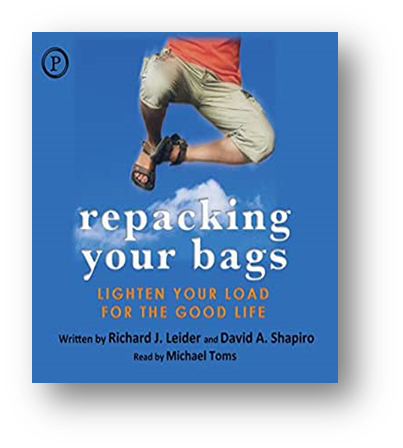
Richard Leider and Dave Shapiro have long traveled their paths together as friends, colleagues, and co-authors.  They published their first book titled, Repacking Your Bags: Lighten Your Load for the Good Life, when Richard was approaching age 50.  Then when Dave turned 50, they published,  Claiming Your Place at the Fire: Living the Second Half of Your Life on Purpose.  This illustrates that growth can continue to happen at any age. Living on purpose is so important, and it determines how we can continue to grow.  Sometimes our "health on the shelf" is the books we read, so check out these two to learn more, and remember to get up a little earlier every day for the next two weeks to ease into the time change!  Have a terrific Tuesday everyone! 

Living on purpose is a big part of our overall health.  But how can we find our purpose if it’s not clear to us now?  There are three simple steps that can help unlock it. Step 1 is to find out how you want to help and ask yourself, "What are my gifts? What do I love to do?" To unlock our purpose, figure out how you can best use the gifts you love to contribute to others.  Step 2 is to find out who you want to help.  Ask yourself, "What pain or injustice or unhappiness have I witnessed that I just can’t live with?" Or is there something that touches you so deeply that it keeps you up at night? Step 3 is to find out what energies you, have and what drains you. Think carefully about the way that you want to contribute to the greater good.  Ultimately, what gives us “aliveness” is truly living with purpose – acting in ways that boldly express it.  Have a wonderful Wednesday everyone! 

After only three weeks on a strictly plant-based diet composed mostly of whole grains, vegetables, and beans, participants in a huge study saw a 10 percent drop in blood pressure, a 35 percent drop in bad LDL cholesterol, and a 38 percent drop in fasting blood sugars!  Similarly, studies of people with diabetes on "macrobiotic diets" - a strictly plant-based diet of mostly whole grains and vegetables, legumes, seeds, and decaffeinated green tea, saw a nearly 40 percent drop in fasting blood sugars and almost a 27 percent drop in LDL cholesterol in just 21 days. The study subjects did lose weight and what’s more, that 40 percent drop in blood sugars was after cutting their insulin in half! Better results, on fewer drugs—that’s the power of a plantified plate! 

It's Fix-it Friday and Roasted Beet Hummus is on the menu, giving you one of those 3 servings of beans per day!

Ingredients:

2 medium beets

1 (16 oz.) can of chickpeas

¼ cup lemon juice

3 cloves garlic, minced.

3 tablespoons tahini

¼ cup olive oil

sea salt and pepper to taste.

 DIRECTIONS

Rub beets with a small amount of olive oil, wrap in foil, and roast at 375°F until very soft.

When cooled, slice beet and add to a food processor and blend to desired texture.

Add the remaining ingredients and blend to desired texture.

Serve with toasted Ezekiel Bread squares, on stalks of celery or Boston bibb lettuce.

 Here's more from last year:

 It's Marvelous Meatless Monday and a great day to hear new research about how much longer fruit and vegetable eaters live!  There have been many, MANY studies about longevity and there is one common denominator that comes through in all of them - eat more fruits and vegetables.  So just how much of a difference does it make?  If we consume 5 fruits and veggies a day, we live an extra 3 years AND not just more years, plant food eaters also have a 16% reduced risk of heart disease, 18% reduced risk of stroke, and a 15% overall risk of premature death.  Check out meatlessmonday.com to get great ideas for getting more of a plant slant to your day! 


 Yesterday we shared that those who eat fruit and vegetables live longer and better lives.  Here's more:  5 servings are good, but more is better.  Many times, we've talked about the number one key to a healthy gut is lots of different foods - that food diversity is critical to the foundation of our health...our gut microbiome.  Eating seven or more portions of fruit and veggies a day can lower our risk of premature death by a whopping 42%...and 10 portions a day increase their protective benefits even more.  Power up your plantified plate by thinking of easy ways to make it happen - more and different fruits in your fruit salad or smoothies, and load up soups, casseroles, and salads - count to 10 with different veggies.  All of this will crowd out more and more of the foods that are harmful to your health.  Have a terrific Tuesday everyone! 

Poor diet is among the greatest health and societal challenges of our time due to costs in soaring healthcare spending, budget challenges, Medicare, and Medicaid programs expense, and more.  Many of us don't realize how much nutritional issues lead to growing physical and mental disabilities.  In addition to its being so costly, it's really sad!  Another startling fact is that 71% of young Americans would not be able to join the military due to health reasons, and the leading cause is obesity.  As some are saying, our country is "hungry for good food".  The good news is that since 2018, congress has had a "Food is Medicine" working group that is dedicated to improving health and reducing diet-related costs.  Have a wonderful Wednesday and stay tuned for more! 

We mentioned yesterday that congress has been working for a few years to develop a comprehensive assessment of all federal policies related to food, chronic diseases, and healthcare costs.  They are looking across all federal agencies and programs, linking diet to chronic diseases, and seeing the missed opportunities to reduce risks and costs.  This is a big milestone in looking at our food policies.  There are also some states that are testing the effects of medically tailored meals on health outcomes to show reduced hospitalizations, emergency room visits, and overall healthcare spending.  These policy actions could help in shifting spending priorities in a healthful direction.  More to come and have a great day everyone! 

Congressional activities are occurring right now that represent an evolution toward addressing nutrition and diet-related diseases and of course healthcare costs.  Some nonprofit and private insurance programs are already encouraging doctors to prescribe not just medications, but subsidized purchases of yes, fruits and vegetables!  Progress can be made in our school nutrition, worksite wellness programs, subsidizing healthy foods, integrating nutrition into health care, and providing better nutrition for low-income families.  Encouraging families to eat healthier and better labeling on foods and limits on additives can make a difference.  Have a fantastic Friday and enjoy your wealth of health!

Wednesday, February 22, 2023

Improving Your Brain Health and Reducing Cholesterol Levels


Holistic Habits by Cheryl A. Mothes, Ph.D. Natural Health Nutrition Counselor

Content is a daily radio script from my KHIS radio spot - tune in at 6:15 (CST) every morning to Justin and Meredith’s morning show on 89.9 FM.

In terms of preventing Alzheimer’s and other forms of dementia, data shows that those who consume meat, including poultry and fish, have two to three times the risk of developing dementia compared with vegetarians. Increased saturated fat intake, found mostly in meat, dairy, and junk food, was associated with a 40 percent increased risk of cognitive impairment and a nearly 90 percent higher risk of Alzheimer’s disease.  On just five days of a high-fat, low-carbohydrate diet, they suffered impaired attention, speed, and mood. Every single blood vessel is impacted when you consume saturated fat – not just the arteries in your heart, but your brain, lungs, bones, and organs – all of you!   It is MEATLESS MONDAY everyone so understands that you are improving your brain power and heart health by crowding out meat, dairy, and junk food! 

People who eat berries or nuts show improvements in cognitive performance, raising the idea that “dietary supplementation with nuts, berry fruit, or both are capable of altering cognitive performance in humans, perhaps forestalling or reversing the effects of neurodegeneration in aging”—just with food. Researchers gave students banana bread with or without walnuts. Those eating the nuts showed significant improvement in critical thinking. Another study gave subjects smoothies made with lots of different berries and tomatoes. Not only did their bad cholesterol drop about ten points, but they also performed better on short-term memory tests. Bump up the berries and nuts to improve your brain power and THIS Sunday, move your wake-up time up 30 minutes – we’re changing times in a couple of weeks and gradual is better! 

Food affects our mood – and our cognition. Consumers of cruciferous vegetables (cabbage, cauliflower, broccoli, and Brussels sprouts) performed better in several cognitive tests than others. And women consuming the leafiest greens did better cognitively, effectively slowing their brain aging by a year or two. As we age, the amount of blood flowing through our brain drops, “which may be due to an age-related decrease in the production of nitric oxide that dilates our blood vessels. The reduction in blood flow to the brain is a major risk factor for the impairment of cognitive function and the development of diseases such as dementia. Plantify those plates to live longer and live stronger! 

Did you know that many of us can reduce our cholesterol and avoid or reduce medication by cutting out the three things that increase cholesterol? They are saturated fat, trans fats, and dietary cholesterol, all of which are found predominantly in animal fats, eggs, and junk food. Add in a whole bunch of high-fiber plant foods, meaning whole plant foods, and you can push your cholesterol down even further.  Again, ease into the time change by getting up 30 minutes earlier, starting Sunday! 

It's FIX-IT FRIDAY and many of us can't figure out how to use tofu.  Here's a great tofu scramble for breakfast, or any time, from the Blue Zones recipes, where people live the longest and best!

Ingredients:  

Spinach, 1 1⁄2 cups

Extra firm tofu,1 block.

Olive oil,1 tsp

Turmeric,1⁄2 tsp

Chili powder,1⁄2 tsp

Nutritional yeast, 2 tbsps.

Ezekiel Bread (0r other whole-grain bread), two slices

Avocado, one half

Cumin, 1⁄2 tsp

Hot sauce, 1 tsp

Directions

Produce Prep: Rinse the spinach.

Press as much water out from the extra firm tofu as possible.

 Heat the olive oil in a skillet over medium heat. (To make this recipe oil-free, omit the oil and use a non-stick pan.) Crumble up the extra firm tofu into the skillet. Add the turmeric and chili powder and mash the mixture with a fork until the spices are evenly distributed.

 Cook the extra firm tofu until it’s golden brown.

 Remove from heat and stir in nutritional yeast. Then, stir in the spinach. Add salt and pepper to taste.

 Toast the whole grain bread in a toaster, oven, or toaster oven.

 Top the bread with the scramble. Drizzle with hot sauce, additional spices, and/or more salt and pepper to taste.

 And here is a blast from the past!

 You may remember that in 2020, the FDA called for the immediate withdrawal of a popular acid reflux medication called Zantac because it had high levels of NDMA, a contaminant that has a cancer risk exceeding many potent carcinogens, including asbestos.  In the FDA's decision to pull Zantac off the shelves, they stated that the NDMA levels were similar to what you would expect to be exposed to if you ate grilled or smoked meats.... what?!!  Yes, they feel 96 nanograms a day is acceptable, and Zantac had 100.  Half a chicken breast contains 110. It is a great reason to give meatless Monday a try today!  Go to meatlessmonday.com for great ways to make it happen. 


Social media platforms have been in the news a LOT recently, and they use specific techniques to get us hooked on their technology.  Billions of us are addicted to our screens - and exploiting five universal psychological vulnerabilities is how it happens.  They give us intermittent, variable rewards (just like slot machines), fulfill our need to be seen, our need to reciprocate, the fear of missing out, and constantly comparing ourselves to others.  If you want to check your own habit, there is a free app called "Moment" that tracks your phone and app usage.  But it's more than that - we watch (on average) 5 hours of TV a day!  Rather than hoping regulation will fix it, start tracking your screen usage - you can free up 2 hours a day by getting it under control.  Have a terrific Tuesday, everyone! 

There is a growing interest in "simplifying" and becoming more minimalist, and considering the average American household is estimated to hold 300,000 separate items, it should be easy to cut back! Minimalism involves owning less, practicing sufficiency, and improving our quality of life by not indulging in consumerism.  Minimalist lifestyles result in more family and friend time, more volunteering, and less stress.  Clutter and lack of contentment, always wanting to have more is linked to depression, fatigue, and higher levels of stress.  So on this wonderful Wednesday, search for the "Living Lighter Checklist" to find ways to start the journey! 

We've talked about those who live the longest and best, the five areas of the world called the Blue Zones, all practice some form of "downshifting" - relaxation and meditation.  Meditation has been considered a "soft practice" that is maybe good in theory but probably not all that important.  But studies show a clear relationship between stress and aging, and between meditation and stress reduction.   Eastern traditions have long claimed that meditation slows aging and lengthens life - and there is now evidence that stress damages our genes, therefore our health, and we can indeed reverse it with meditation.  Try a free meditation app like Insight Timer to gradually build up to 15 minutes a day to live stronger AND longer! 

Getting a good night's sleep is important for our emotional, physical, and psychological health and even children struggle with it sometimes.  There is a "Baby Dream Machine" that is designed for children, but many parents end up using it too! It's a 5-in-1 cute machine that uses a night light, red light therapy, a sound machine, a cool-mist humidifier, and aromatherapy.  Sounds divine! Parents report that 93% of the children sleep better and longer - better for everyone!  Go to thebabydreammachine.com to check it out! Have a fantastic Friday everyone!

The Benefits of Walking - Carbs are SO Good for Us, - Too Much Protein in our Diet, and Children's Cereals and Soy Benefits

Holistic Habits by Cheryl A. Mothes, Ph.D. Natural Health Nutrition Counselor Content is a daily radio script from my KHIS radio spot - tu...